


From the early 20th century until the 1930s, the Neapolitan aesthetic was influenced by a mixture of English, French, and Spanish styles. Naples, one of the most elegant cities in Italy, was a hub for well-tailored clothing. During these three decades, the Neapolitan style, despite its different climate and strict style, had acquired similarities mainly with the dress of the British. However, this was about to change with the emergence of Vincenzo Attolini.Vincenzo Attolini, a young tailor who believed that a good craftsman is the one who creates proper clothes for imperfect bodies, decided to take matters into his own hands. So, he designed a jacket with incredible perfection and details with completely different finishes from what had been customary until then. He created a silhouette with a slimmer waist, longer sleeves, and minimal bulk in the shoulders, unlike what was on the market at the time. A jacket that, until the sixties, was still considered an alternative and was finally established as a standard in the `90s. Vincenzo`s secret was removing unnecessary details, leaving only the necessary ones that made the garment light and flexible, almost like a shirt. The disarming level of simplicity of construction made the British style look like something profound out of the past.
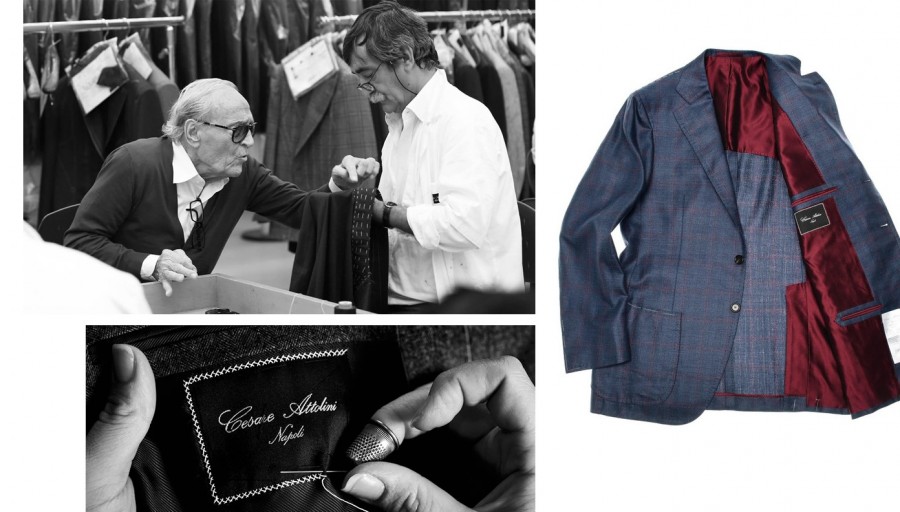
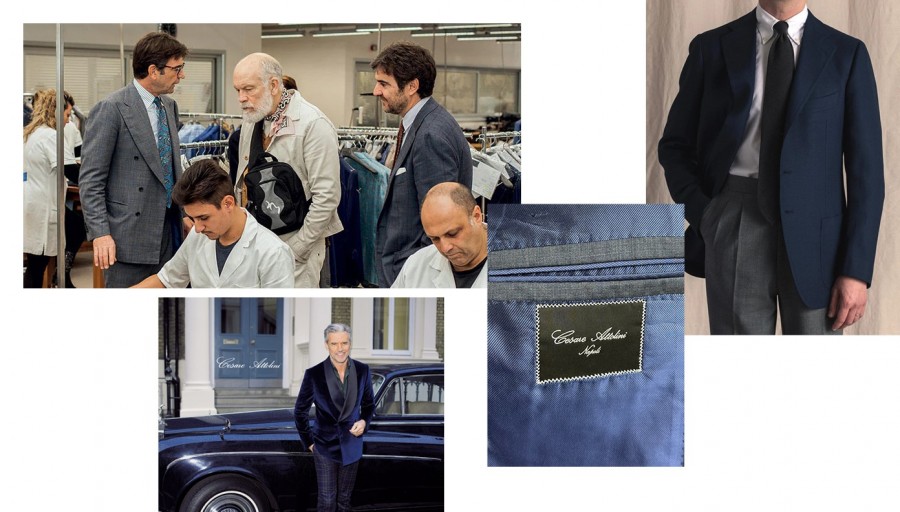
No tailor had been so bold in years past. At the same time as the country`s visual arts, a revolutionary in Italian menswear was experiencing the advent of Futurism and the apotheosis of one of its principal exponents, Umberto Boccioni. The young Vincenzo created the opportunity for new practicality, a redemptive lightness, and a wholly enhanced image of man and his real needs. His scissors could create wondrous cuts and hitherto unusual shapes in the jacket`s pockets, sleeves and lapels. A transition from a man dressed elegantly for etiquette purposes to one dressed to express himself. Able to freely enjoy the alluring taste of his spontaneity.


Login or register to join the conversation