



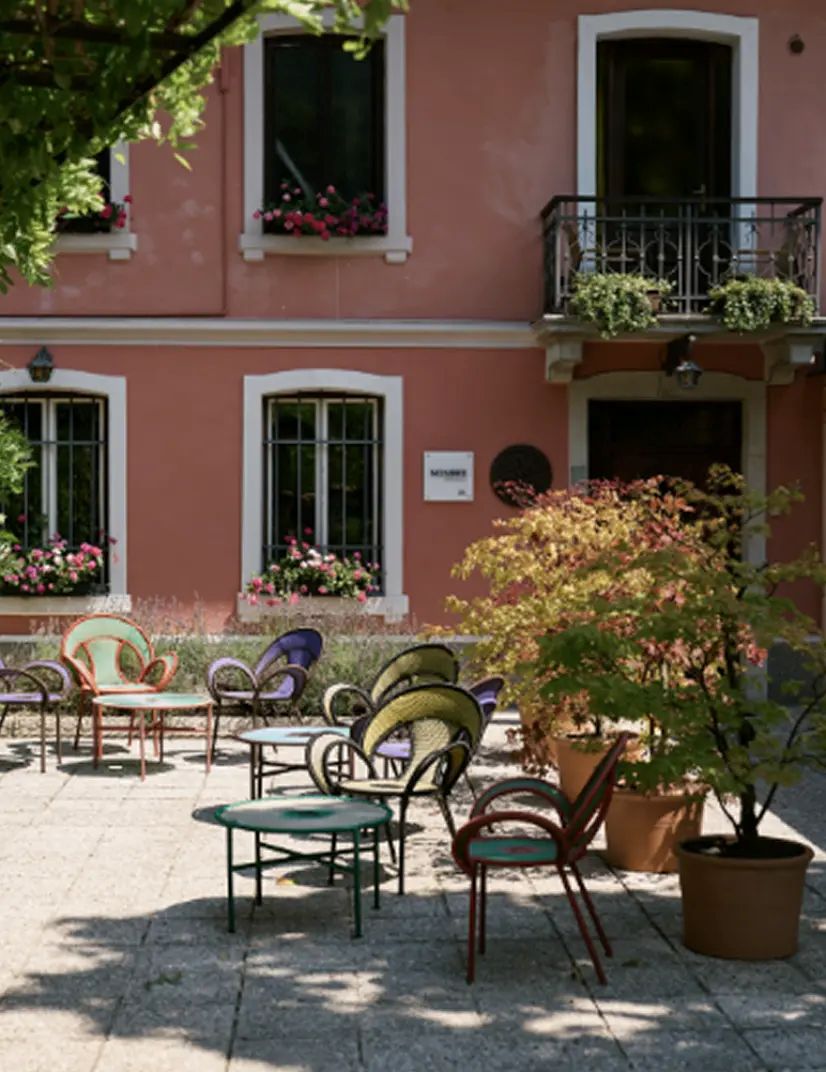
Not so long ago, planning a trip was a fairly straightforward business. You chose a city, booked your flights, found a hotel and eventually turned your attention to where you might eat. For those of us who travel with a serious interest in food, the process has been turned on its head. The restaurant reservation comes first. Only afterwards do you open a map and work out where, exactly, you’ve agreed to go.
That is how you might find yourself in a remote Slovenian valley, a castle in the tiny Swiss town of Fürstenau, a farmhouse at the far end of Norway or a dining room overlooking the Bay of Mont-Saint-Michel. The restaurant becomes the reason for the journey, while the landscape, the people and the life surrounding it gradually become part of the pleasure. I have come to think of this as one of the most rewarding ways to travel, especially when, at the end of dinner, your bedroom is only a few steps away.
Europe has produced a fascinating collection of restaurants that have grown into little worlds of their own. Ana Roš at Hiša Franko, Niko Romito at Reale, Andreas Caminada at Schloss Schauenstein and Hugo Roellinger at Le Coquillage are among the most compelling examples. One has taken over an old farmhouse, another a château, a former monastery or a small hotel beside an Alpine lake. Their ambitions and surroundings differ considerably, but they share a wonderfully appealing idea: come for the cooking, stay long enough to understand the place behind it.
I’ve chosen thirteen restaurants I care about deeply, each capable of inspiring a journey in its own right. From Italy and France to Sweden, Slovenia and Spain, I’ve gathered the practical details that make planning one possible: the cooking, the accommodation, the journey, what else deserves your time and, since even the loveliest gastronomic adventure eventually presents a bill, what you should expect to spend.
Thirteen tables and thirteen opportunities to travel with a different sense of purpose. Europe looks particularly enticing when you begin to explore it this way.
Hiša Franko, Kobarid, Slovenia
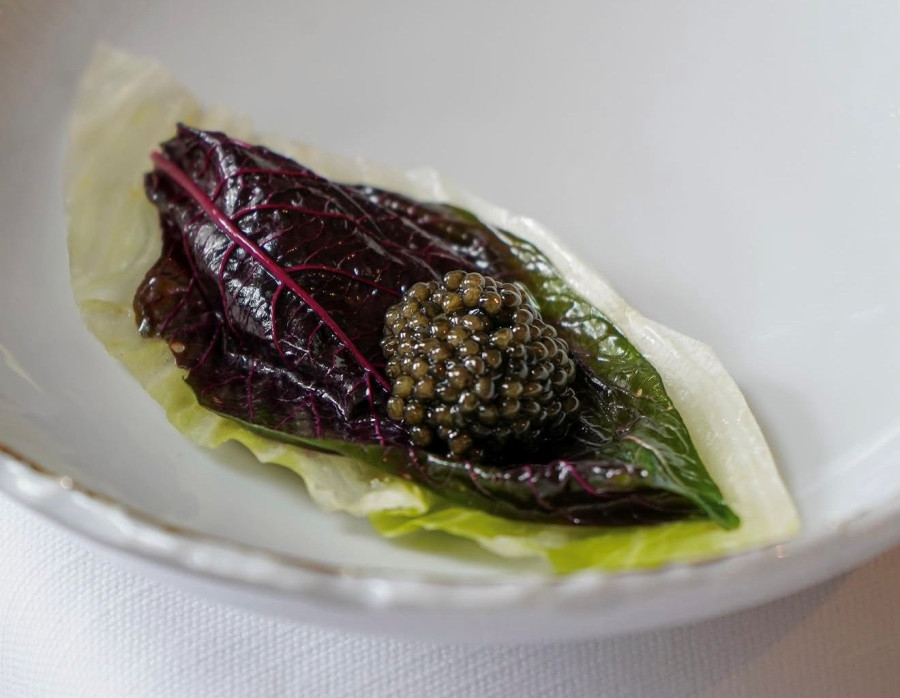
Few restaurants make the case for destination dining as persuasively as Hiša Franko. Hidden away in Staro Selo, just outside Kobarid, it occupies a beautiful corner of the Soča Valley, where Slovenia approaches the Italian border and the Julian Alps rise above a landscape that can take your breath away. Ana Roš has spent years bringing the flavours of this valley to international attention, eventually earning three Michelin stars and giving the region a place among Europe’s great gastronomic destinations.
 To understand her cooking, you need to begin with the surroundings. Trout from the crystalline waters of the Soča, game, wild goat, mountain cheeses, mushrooms, herbs, wild plants and fermentation all have their place in a cuisine that thrives on intensity, acidity and a tremendous freedom of expression.
Over the years, Roš has brought together a remarkable community of fishermen, shepherds, cheesemakers, growers and foragers. Their work has become inseparable from her own. What she has achieved goes far beyond creating an outstanding restaurant: she has helped a small Slovenian valley discover its own gastronomic voice, while developing a culinary language so personal that I can now recognise it almost immediately. Her latest menu ventures deeper into the forests and the biodiversity that surrounds her.
I would certainly spend the night. The original house dates from 1861 and offers simple, welcoming rooms reserved for guests dining at the restaurant. Breakfast, served between eight and ten, is a wonderful continuation of the evening before. There is something deeply satisfying about waking up in the very landscape whose flavours you were discovering only a few hours earlier.
The following day, I would make my way to Ljubljana and check into the AS Boutique Hotel, where you’ll also find JAZ by Ana Roš. It makes for a particularly rewarding two-day journey, allowing you to discover two sides of the same chef’s imagination and two very different faces of Slovenia.
Getting there: Approximately 1 hour 20 minutes by car from Trieste, or around two hours from Ljubljana or Venice.
What to budget: Tasting menu €335 | Wine pairing €190 | Non-alcoholic pairing €135.
How long to stay: Two nights. One at Hiša Franko and another in Ljubljana, ideally at the AS Boutique Hotel.
Info: www.hisafranko.com
Le Coquillage, Saint-Méloir-des-Ondes, France
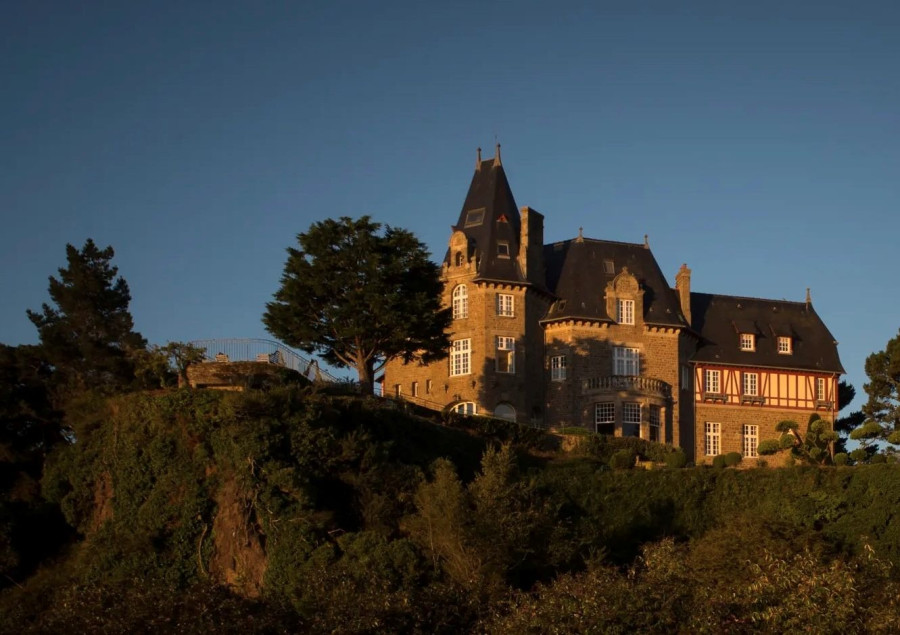
There is an almost dreamlike quality to Le Coquillage, as though somebody had created an impossibly beautiful place and wisely resisted the temptation to interfere with it. Château Richeux, a grand 1920s villa overlooking the Bay of Mont-Saint-Michel, stands above a landscape that changes character with the tides. From the dining room, the view stretches across an immense expanse of water, while Hugo Roellinger serves what I consider one of the finest seafood cuisines in Europe, and quite possibly the world. In 2025, Michelin awarded him a third star. The story begins with his father, Olivier Roellinger, one of the great chefs of modern France. Olivier found a fascinating connection between the cooking of Brittany and the spices that once arrived in the port of Saint-Malo from distant corners of the world. His son Hugo, who previously served as an officer in the merchant navy, inherited that fascination with the sea and developed an interpretation entirely his own.
His kitchen is devoted to seafood and plants. Fish caught by small-scale fishermen, shellfish, seaweed, vegetables and herbs are brought together with spices handled with astonishing delicacy. Hugo speaks of searching for the taste of the ocean depths and the sea air. It sounds wonderfully poetic, but there is serious culinary intelligence behind the idea, and the resulting food is quite magnificent. The longer tasting menu costs €275, and I would recommend staying at Château Richeux afterwards. With just thirteen bedrooms, it preserves the intimate atmosphere that makes the whole place so appealing.
The following day, head for Cancale. Above Port-Mer beach, Bistrot de Cancale serves straightforward, traditional seafood cooking. It offers another way to understand the Roellinger family’s relationship with the sea, this time over a more informal meal. With Cancale, Saint-Malo and Mont-Saint-Michel nearby, you could hardly ask for a lovelier excuse to spend a couple of days in Brittany.
Getting there: Take the TGV from Paris to Saint-Malo, followed by a drive of approximately fifteen minutes to Château Richeux.
What to budget: Lunch menu €215 | Longer tasting menu €275. Room rates depend on the season and category.
How long to stay: Two nights, with dinner at Le Coquillage and a meal at Bistrot de Cancale the following day.
Info: www.maisons-de-bricourt.com
Reale, Castel di Sangro, Italy
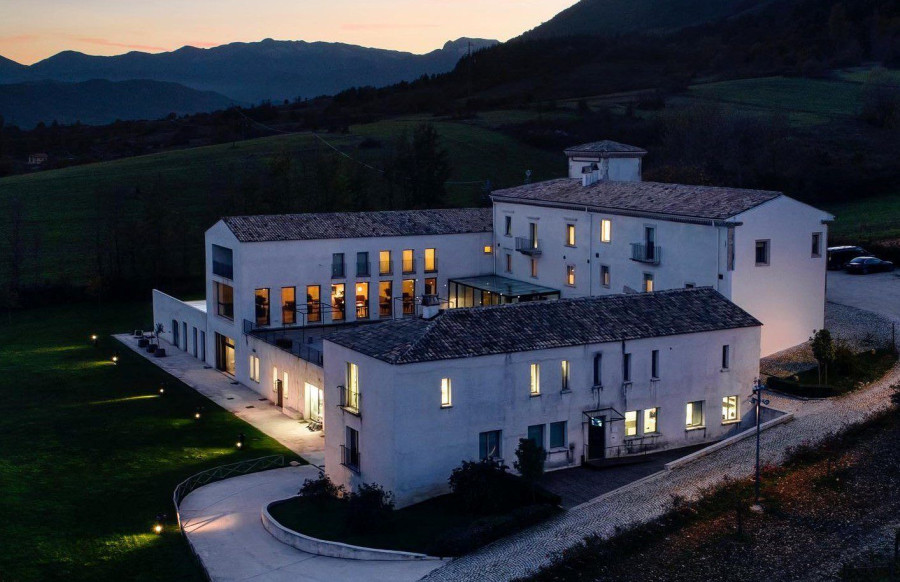
Reale belongs among the great restaurants of our time, and Niko Romito has fundamentally changed the way we think about Italian fine dining. At Casadonna, a 16th-century monastery set 860 metres above sea level in the rugged Abruzzo countryside, he has spent years pursuing flavour with an almost obsessive rigour. His cooking has become increasingly pure and concentrated, at times approaching something absolute. He studies an ingredient until he understands precisely what makes it taste the way it does, then applies his extraordinary command of technique to draw out its full potential, often with astonishingly little on the plate.
Bitterness plays a central role in this pursuit, which is one reason Reale can be a demanding restaurant. Romito treats it with an almost religious reverence, exploring its subtleties, its depth and the way it lingers on the palate. Through bitterness, he finds new ways of expressing the character of vegetables. Chicory, endive, wild greens, leaves and roots acquire an almost primal intensity through roasting, extraction and painstakingly controlled cooking.The tasting menu currently costs €250, with wine pairing at €120.
Casadonna makes the experience all the more compelling. The former monastery has just ten bedrooms, with white stone, timber and works by Ettore Spalletti and Joseph Kosuth. Beyond its walls lie six hectares of land, vineyards and mountains stretching in all directions. And the following morning brings one of the finest breakfasts in this entire selection. Romito’s breads and brioches are reason enough to look forward to it, accompanied by honey from Casadonna’s own beehives, manteca butter, homemade preserves, ricotta and fresh cheeses, eggs, juices and extracts. There is also the celebrated Niko Romito Toast and a chilled zabaglione served with Pandolce.
You will almost certainly encounter Cristiana Romito in the dining room, too. And I can say, hand on heart, that Reale would be a very different restaurant without her.
Getting there: Fly directly from Athens to Naples, then drive approximately 1 hour 45 minutes to Castel di Sangro.
What to budget: Tasting menu €250 | Wine pairing €120. The L’Essenza e le Stelle package for two, including dinner, one night and a gourmet breakfast, costs €700 in a Classic room or €730 in a Superior room, excluding wine.
How long to stay: One night at Casadonna will give you the complete experience. After that, you’re in Italy, and you’d need approximately two lifetimes to do the country justice.
Info: www.nikoromito.com
Da Vittorio, Brusaporto, Italy
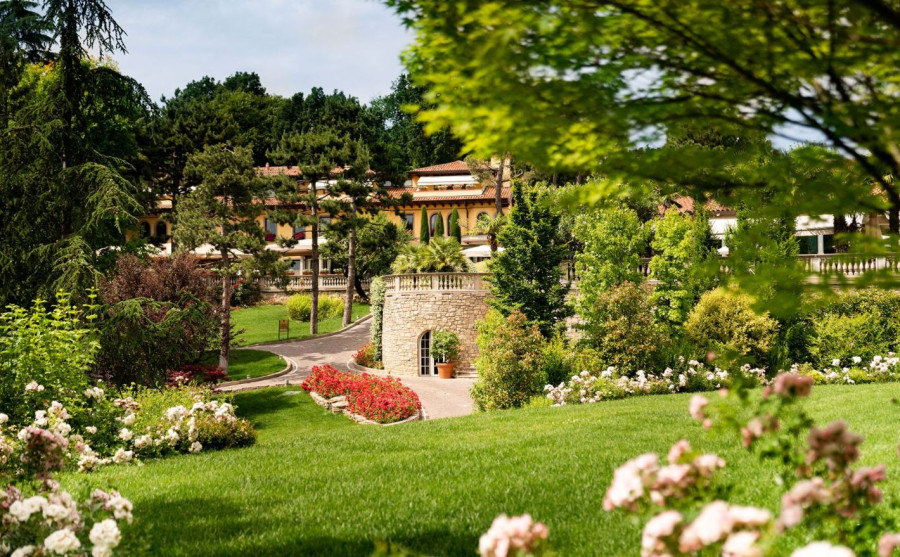
When Vittorio Cerea and his wife Bruna opened a modest restaurant in Bergamo in 1966, they made a decision that must have seemed almost reckless at the time. In a city with a firmly established appetite for meat, they chose to make fish the centrepiece of their cooking. Sixty years later, Da Vittorio holds three Michelin stars and the Cerea family presides over one of Italy’s most formidable gastronomic dynasties. Bruna remains the heart of the family. Her sons Enrico and Roberto, affectionately known as Chicco and Bobo, lead the kitchen, while their siblings oversee the wine, hospitality and the family’s other ventures. It has become an enormous enterprise, yet the spirit of a family home remains remarkably intact.
That spirit is evident in the cooking. The Cerea brothers work with superb ingredients, but their greatest strength lies in their understanding of what makes Italian food so irresistible. Fish and shellfish, langoustines, magnificent cuts of meat, deeply flavoured stocks, sauces that have been given all the time they deserve and pasta that demonstrates how far simplicity can go in the hands of a great cook.
Their famous Paccheri alla Vittorio, coated in a rich sauce made from different varieties of tomato and finished with an extravagant quantity of cheese at the table, has become one of the great signatures of contemporary Italian dining. There is something wonderfully immediate about the pleasure of eating here. And when the desserts arrive, Chicco’s passion for pâtisserie takes over, bringing classical sweets, petits fours and the glorious abundance at which the Italians have always excelled. In 2005, the family moved Da Vittorio to a substantial estate in the hills of Cantalupa, just outside Bergamo. Here you’ll also find La Dimora, a beautiful Relais & Châteaux property with ten bedrooms, gardens, vineyards and two small lakes.
I’d stay here to enjoy the Cerea family’s hospitality in its entirety. Have an aperitivo in the garden, settle in for a long dinner, and wake up the following morning with the very agreeable prospect of returning to their table.
Getting there: Bergamo Airport is approximately fifteen minutes away. From Milan, allow around an hour by car.
What to budget: The tasting menus range from approximately €280 to €440. Rooms at La Dimora start at €650, with Junior Suites from €700.
How long to stay: One night is enough for Da Vittorio. Stay two and you can also explore Bergamo’s beautiful Città Alta, one of Lombardy’s loveliest historic towns and their new bistrot DaV.
Info: www.davittorio.com
ÄNG, Halland, Sweden
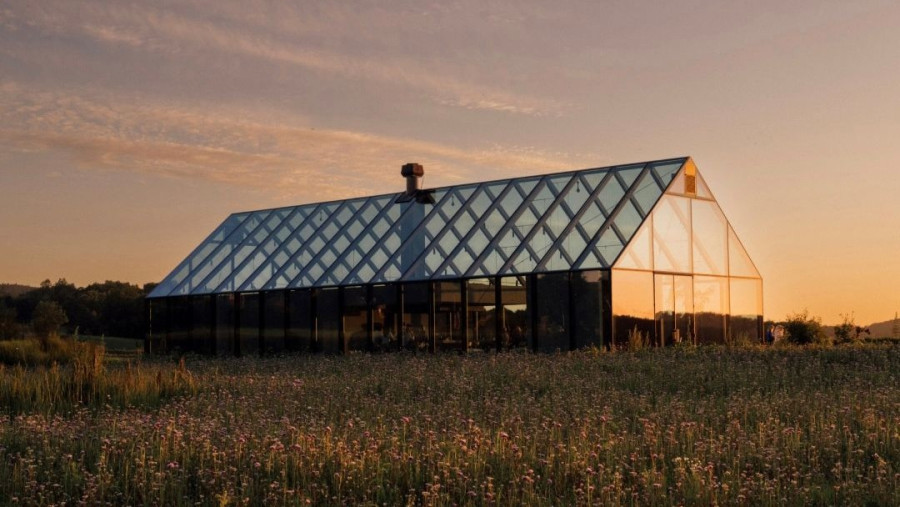
Planting a vineyard in western Sweden, in a region better known for its beech forests, lakes and long winters, must once have seemed an ambitious undertaking, to put it mildly. Yet Ästad Vingård, in Halland, now produces its own wines and has become home to one of the most interesting restaurants in contemporary Scandinavian gastronomy. ÄNG stands in the middle of a meadow. Approaching the property, you first notice a glass structure designed by Norm Architects, resembling an elegant greenhouse. Before you’ve even reached the entrance, it becomes apparent that a great deal of thought has gone into the way this place is experienced.
You begin in the glass building, with its open kitchen and views across the fields, before descending underground through an impressive wine cellar and eventually arriving in the main dining room, overlooking the water and surrounding countryside. There is a distinctly Japanese sensibility to the architecture: timber, stone, beautifully balanced proportions and an exceptional understanding of natural light. Filip Gemzell and Ann-Catrine Gemzell have developed a sophisticated cuisine centred on fish and seafood, local produce from Halland, wild ingredients and fermentation. Filip has a particular talent for drawing together the purity of Scandinavian cooking and flavours from other culinary traditions, often to fascinating effect.
The wine deserves serious attention, too. Ästad grows Solaris, among other grape varieties, proving that winemaking at these northern latitudes has far more potential than conventional wisdom might suggest. I’d certainly allow time to visit both the vineyard and winery. For accommodation, my choice would be Sjöparken, where the rooms have enormous windows, private saunas and individual decks leading straight into a natural swimming pool. The estate also has an excellent spa, Sinnenas, inspired by the forests and lakes of the region.
Yet one of my strongest reasons for recommending an overnight stay comes the following morning. ÄNG serves a tasting breakfast in the same glass building where dinner began. Lasting around ninety minutes, it is a proper gastronomic menu inspired by Scandinavian breakfast traditions, with inventive preparations and handcrafted non-alcoholic drinks from the sommelier team. Having discovered the Gemzells’ cooking over dinner, you return to find that they still have plenty to say. I find that a particularly lovely idea.
Getting there: Fly to Gothenburg, then drive approximately 1 hour 20 minutes to Ästad Vingård.
What to budget: Tasting menu SEK 2,900. I recommend the ÄNG Package, from SEK 5,120 per person, including dinner, accommodation and the tasting breakfast with accompanying drinks. Wine at dinner is charged separately.
How long to stay: One night for the restaurant and breakfast, or two if you’d like to enjoy the spa, vineyard and beautiful forests around Åkulla.
Info: www.astadvingard.se
Atelier Moessmer, Brunico, Italy
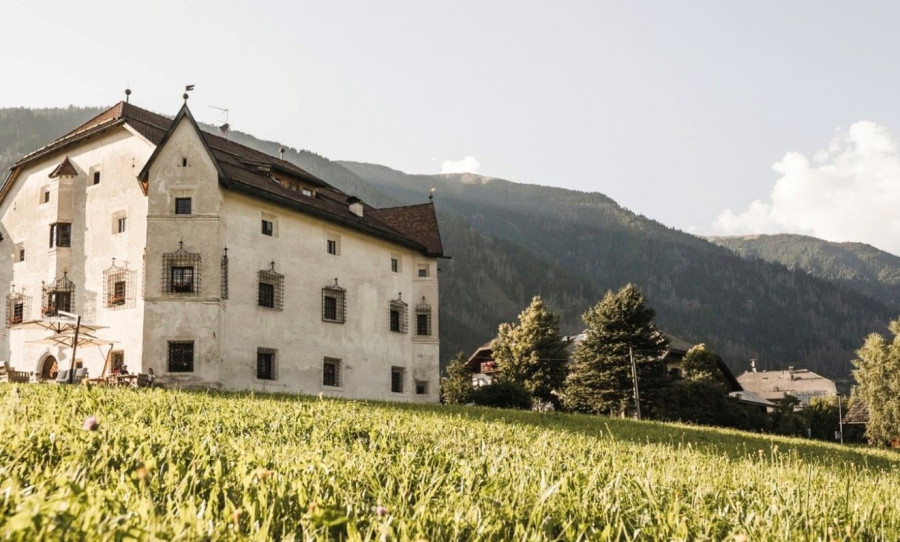
Norbert Niederkofler was among the first great European chefs to recognise that the future of gastronomy would require a fundamental reassessment of our relationship with the land. He arrived at that conviction in the Dolomites, a place where nature has always dictated the terms of daily life. More than twenty years ago, he began developing Cook the Mountain, a philosophy that would eventually become an entire school of thought and exert a profound influence on contemporary fine dining. At Atelier Moessmer in Brunico, we can now see what may be the most complete expression of that extraordinary journey.
His starting point was deceptively simple. Mountain communities had developed a rich culinary culture of their own, shaped by necessity, the changing seasons and generations of hard-earned knowledge. People living at high altitude learnt to preserve, smoke, dry and ferment. They used the whole animal, wasted precious little and understood that patience was as essential to survival as skill. Niederkofler took that inheritance and brought it to the highest level of international gastronomy. In doing so, he changed the way an entire generation of chefs thought about the value of local ingredients and the traditions surrounding them.
Atelier Moessmer now holds three Michelin stars and a Green Star for sustainability. Alongside Niederkofler is Mauro Siega, an outstanding executive chef and one of his closest collaborators, while Lukas Gerges oversees the restaurant and its wine programme. Together, they have created an experience of exceptional culinary beauty. The restaurant occupies the historic villa of the Moessmer textile company, surrounded by a magnificent park in Brunico. Dinner unfolds across several rooms, taking guests from the aperitivo to the open kitchen and finally dessert.
For accommodation, I’d head to Ansitz Heufler, around twenty minutes away in the Anterselva Valley. This Renaissance manor house, built in 1578, has been restored by Niederkofler with tremendous sensitivity and now offers ten beautifully appointed suites. Breakfast is another opportunity to discover South Tyrol. The Heufler Signature Breakfast brings together excellent breads, dairy products, cheeses and ingredients from small local producers. It is served in the manor’s Osteria or, during the warmer months, on the terrace overlooking the mountains.
I would also stay a second evening to explore the more traditional side of Niederkofler’s cooking, with knödel, goulash and krapfen. I often find myself thinking about the significance of what this chef has achieved. He took the food of a region whose traditions were shaped by survival, thrift and the demanding lives of its people, and carried it to the very summit of gastronomy. Throughout that journey, he has remained faithful to the Alps and the people who gave those traditions their meaning. For me, this ranks among the most important achievements in modern European cooking.
Getting there: Brunico is approximately 1 hour 40 minutes by car from Innsbruck, or around three hours from Venice.
What to budget: The Cook the Mountain menu costs €320. A one-night package at Ansitz Heufler, including dinner at Atelier Moessmer, breakfast and transfers, is offered on selected dates in 2026 for €1,060 for two people.
How long to stay: Two nights. Combine Atelier Moessmer with AlpiNN at Kronplatz, a walk around Brunico and a second dinner at Ansitz Heufler.
Info: www.ateliernorbertniederkofler.com | www.ansitzheufler.com
VYN, Österlen, Sweden
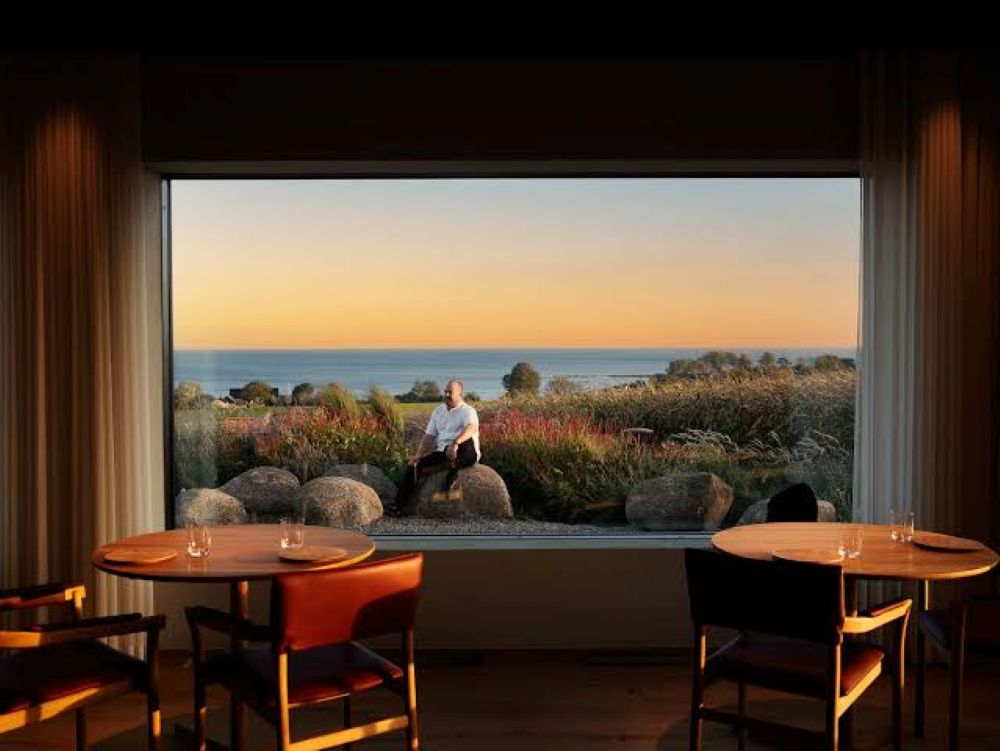
Daniel Berlin is one of those chefs who can make you fall in love with a place simply by cooking its flavour. I came to understand that at VYN, over one of the finest meals I’ve had in Scandinavia in years. The following morning, sitting down to breakfast with the Baltic Sea before me, I found myself thinking about it all over again. I left wanting to return, with the lovely realisation that I’d come away knowing far more about this corner of Sweden than I had expected when I booked the table.
Österlen, in the southeastern corner of Sweden, has a personality all its own. Vast fields, orchards, old farmhouses, little fishing villages and a coastline stretching along the Baltic. In Gislövshammar, on a hill overlooking the water, Berlin found an old farm and turned it into a small gastronomic destination. He called it VYN, the Swedish word for ‘view’, although the meaning of that word extends well beyond the scenery here. Berlin’s own story makes the restaurant all the more interesting. At Daniel Berlin Krog, which closed in 2020, he had already established himself among the most important figures in modern Scandinavian cooking. At VYN, I see a chef who has developed a deeper understanding of his abilities and, more importantly, of what he wants to do with them.
There is extraordinary precision in his cooking, yet it can also be disarmingly direct. Each flavour has earned its place. Each detail seems to have been tested and reconsidered countless times before arriving at a point where the finished dish appears completely natural. His sauces possess tremendous complexity, he handles fire with real intelligence, and fermentation brings nuances that reveal themselves gradually as you eat.
What impresses me most, however, is the way Berlin understands the relationship between flavours. The technique has reached a level that gives him enormous freedom, and he knows precisely how to use it. At their best, his dishes have a genuine emotional force, the sort that stays in your memory long after you’ve forgotten the intricacies of their preparation.
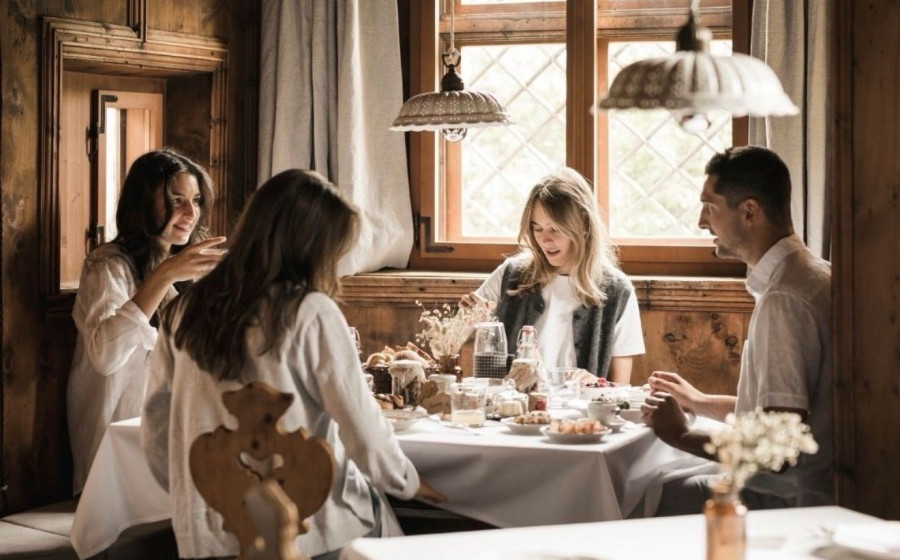
But VYN also reveals how seriously Berlin has thought about the life surrounding the table. The fifteen bedrooms, beautifully furnished in a Scandinavian style, sit within the estate between the fields and the sea. I loved the warmth of the hospitality and the ease with which the whole place invites you to spend time there. Walk down to the shore, take in the landscape, enjoy a glass of wine and allow the day to unfold at the pace of Österlen. And breakfast deserves a paragraph of its own. I could happily return to VYN for that alone. The same team that guided you through such an ambitious dinner welcomes you back the following morning with a generosity that I found deeply touching.
I’ve eaten at countless restaurants that have given me magnificent dinners. At VYN, I admired something I’ve come to value even more as the years go by: the knowledge that the person behind the kitchen had thought carefully about the entire time I would spend there, and had made it genuinely wonderful. Berlin has brought his understanding of food, place and hospitality together in a way that is entirely personal. That sense of completeness is what makes VYN so special to me.
Getting there: Copenhagen is the most convenient starting point. Cross the Øresund Bridge and allow approximately two hours by car to Gislövshammar.
What to budget: The tasting menu costs around SEK 3,500, excluding drinks. Room rates vary according to season and category.
How long to stay: Two nights, certainly, if your schedule allows. Österlen deserves exploring, from Simrishamn and the little coastal villages to its orchards and beautiful beaches.
Info: www.vynrestaurant.se
Casa Maria Luigia, Modena, Italy
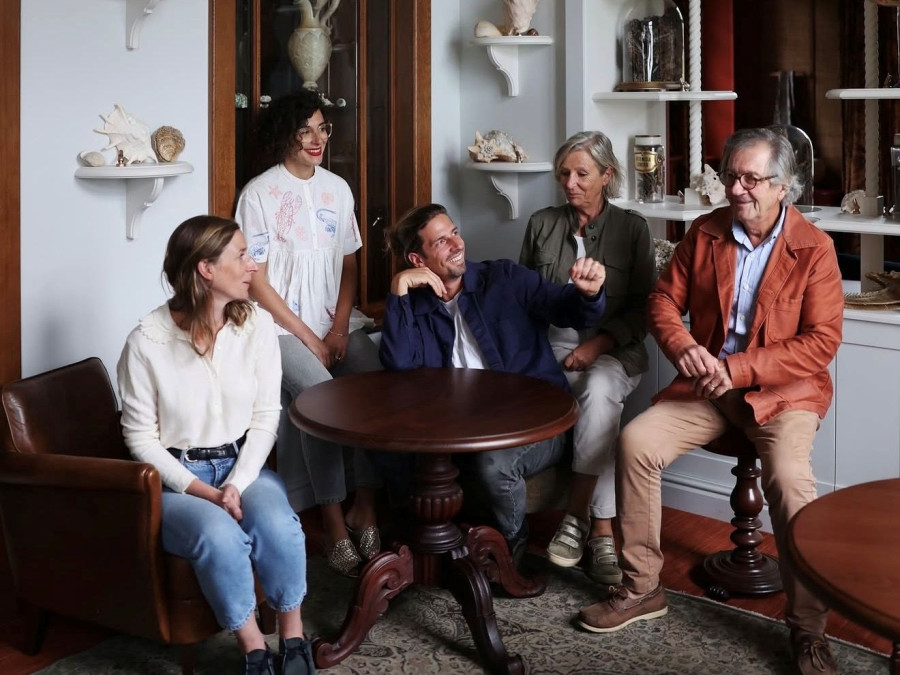
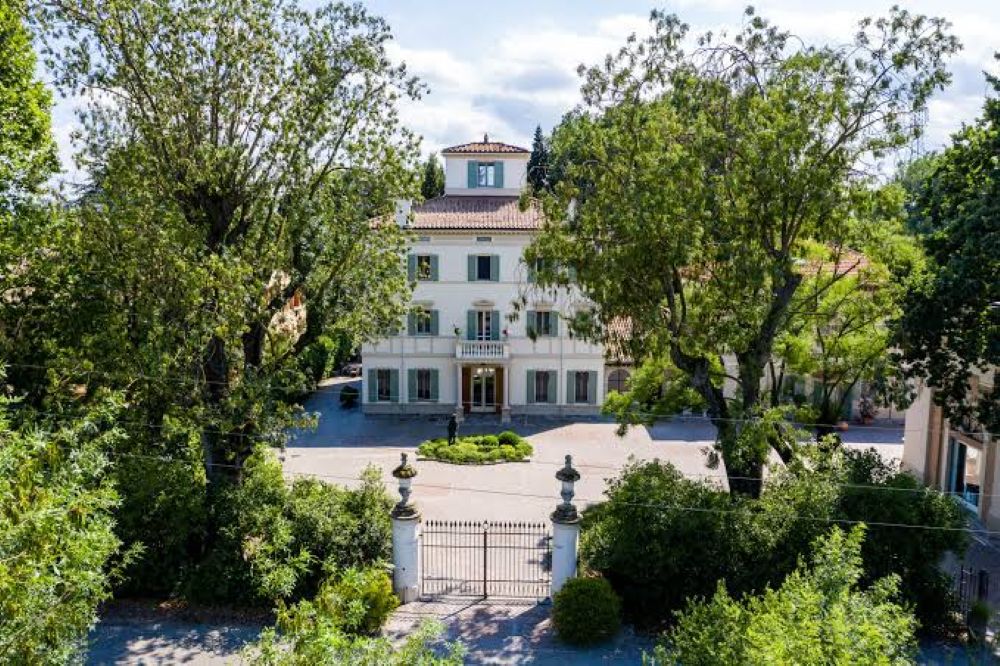
For almost three decades, Massimo Bottura has been reimagining the food of Emilia-Romagna through his cooking at Osteria Francescana. Together with Lara Gilmore (article`s presentation photo), he eventually embarked on another fascinating project: creating a place where guests could immerse themselves in the entire world that had inspired him. Casa Maria Luigia, just outside Modena, may well be their most personal creation. A beautiful country estate where gastronomy, contemporary art, music, design and the spirit of Emilia all come together, it offers a glimpse into the imagination of two people who have spent much of their lives thinking about how food connects with culture.
Lara Gilmore has been instrumental in shaping the property. The extensive art collection, the books, records, furniture, gardens and rooms all reveal something about the couple’s personalities. You get the impression that they’ve opened the doors to a particularly interesting version of their own home. The estate is home to Francescana at Maria Luigia, where guests can enjoy a selection of Bottura’s most celebrated dishes. There is also Al Gatto Verde, led by Jessica Rosval, a very talented chef whose cooking draws on fire and smoke to explore the flavours of Emilia-Romagna, while bringing memories and influences from her own life into the kitchen.
And just a few kilometres away stands Osteria Francescana itself, the three-Michelin-starred restaurant that helped change the course of contemporary Italian gastronomy. I’d stay at least two nights. Casa Maria Luigia has far too much to enjoy for a hurried visit, and breakfast alone deserves a leisurely morning. Focaccia, erbazzone, Parmigiano Reggiano, mortadella, excellent baked goods, eggs, fruit, homemade cakes and the famous Tiramisù for Breakfast. Bottura has always understood the emotional power of the food he grew up with. Here, even breakfast becomes another opportunity to share it. And I suspect you’ll remember it for a very long time.
Getting there: Fly to Bologna, then drive approximately forty minutes.
What to budget: Osteria Francescana offers a tasting menu at around €350. Casa Maria Luigia has several accommodation and dining packages.
How long to stay: Two nights, allowing you to combine Osteria Francescana with Al Gatto Verde and enjoy the estate at your leisure.
Info: www.casamarialuigia.com
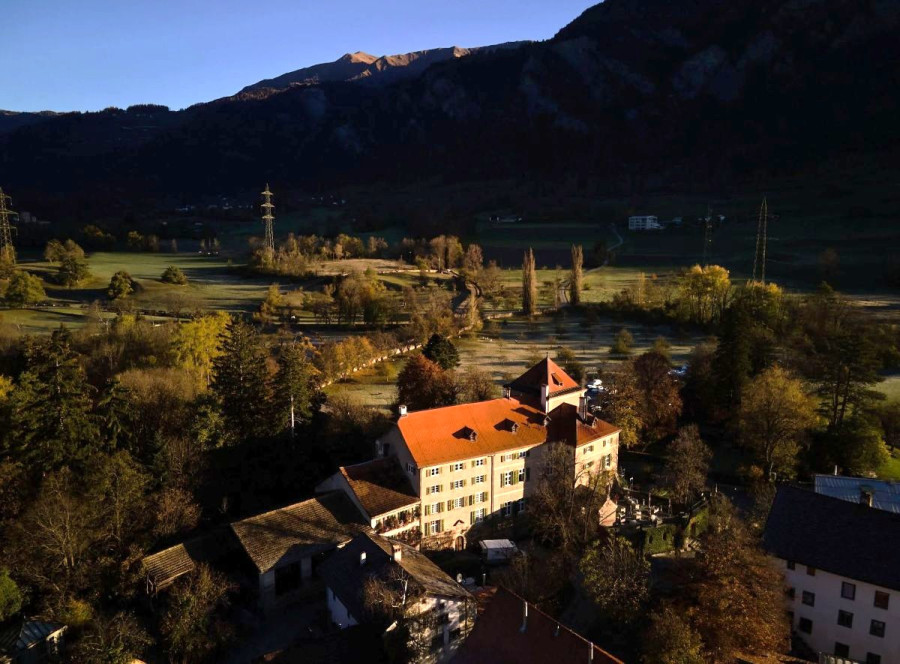
Schloss Schauenstein, Fürstenau, Switzerland
Andreas Caminada was just 26 when he arrived in Fürstenau in 2003. This tiny historic town in Graubünden, which proudly describes itself as the smallest in the world, offered him an old castle and the opportunity to pursue an enormous ambition: to create one of Europe’s great restaurants in a place few gastronomic travellers would previously have thought to visit.Twenty-three years later, Schloss Schauenstein holds three Michelin stars and has become the centre of a remarkable gastronomic community. I find Caminada’s story particularly inspiring, because it demonstrates just how much a great chef can contribute to the place where he decides to build his life.
Caminada is among the leading chefs of his generation. His cooking draws on classical French technique, the wonderful ingredients of the Alps and an imagination that has always been one of his greatest strengths. Today, that cuisine continues to evolve through his close collaboration with Marcel Skibba, an exceptionally talented chef who has assumed a central role in the restaurant’s creative direction. Skibba’s influence is evident in the subtlety of the combinations, the accuracy of the cooking and the outstanding attention given to sauces and textures.
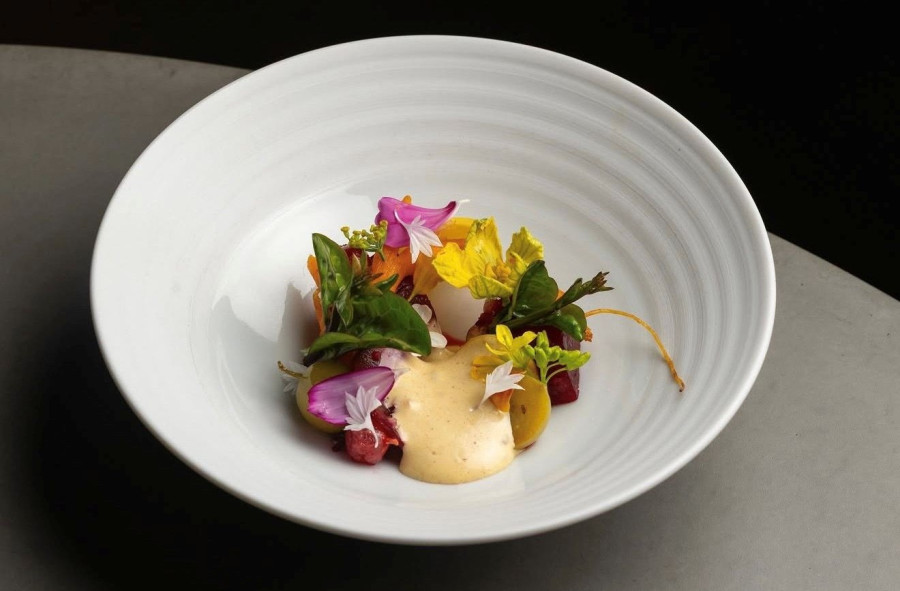
Yet I would make a point of booking another meal across the way, at Oz. Opened by Caminada in 2021 inside a former carriage house, this intimate vegetarian restaurant has just twelve seats around a counter and holds one Michelin star. Chef Simeon Nikolov works almost entirely with ingredients from the estate’s extensive garden, where hundreds of varieties of vegetables, herbs and fruit are grown. Oz means ‘today’ in Romansh, and the name captures the restaurant’s philosophy beautifully. The menu is guided by whatever has ripened, been harvested or preserved from previous seasons.
It is one of the most interesting expressions of contemporary plant-based gastronomy I’ve encountered, and a restaurant that deserves the journey on its own merits. There is a third part to Caminada’s world, too. Casa Caminada occupies two converted stables and offers ten beautiful bedrooms, a restaurant devoted to the traditional cooking of Graubünden and a wood-fired bakery. Alternatively, you can stay in one of the twelve rooms and suites belonging to Schloss Schauenstein itself, within the castle and the historic buildings of Fürstenau. The hospitality is every bit as carefully considered as the cooking, and the whole experience has a wonderful sense of place.
Getting there: Approximately 1 hour 30 minutes by car from Zurich. Alternatively, take the train to Thusis and continue with a short transfer to Fürstenau.
What to budget: The Schloss Schauenstein menu costs CHF 266–318, depending on the number of courses. The Fürstenau Experience package is an excellent option, including two nights, breakfasts and dinners at both Schloss Schauenstein and Oz, with wine pairings, from CHF 1,215 per person sharing a double room.
How long to stay: Ideally two nights. One for Schloss Schauenstein, another for Oz, with enough time to enjoy Casa Caminada and the beautiful Graubünden countryside.
Info: www.schauenstein.ch | www.oz-restaurant.com | www.casacaminada.com
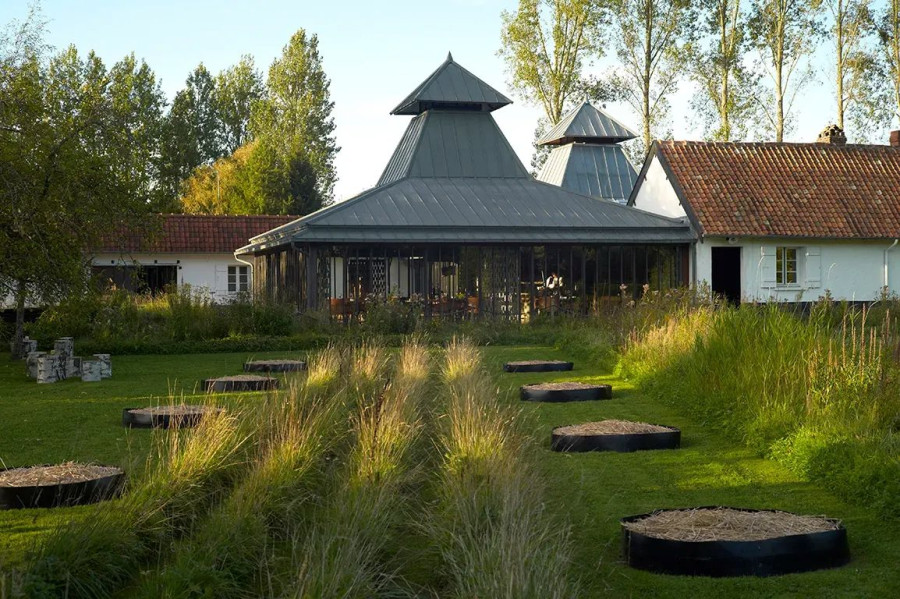
La Grenouillère, La Madelaine-sous-Montreuil, France
Alexandre Gauthier’s cooking has much in common with the wild beauty of the Côte d’Opale. This extraordinary stretch of northern France, where the English Channel meets vast sandy beaches, marshes, river estuaries and a sky whose moods can change by the minute, has shaped one of the most original culinary minds in the country. At La Grenouillère, the family auberge he inherited from his father, Roland, Gauthier has developed a cuisine of remarkable individuality and daring. The restaurant holds two Michelin stars, although its appeal has always gone well beyond the usual measures of fine-dining achievement.
Gauthier has an almost instinctive relationship with ingredients. Wild herbs, vegetables, fish and shellfish from the Channel, crab, game and offal are brought together through an imagination that can be challenging, playful and deeply affecting. There is an elemental quality to his cooking, a willingness to explore the less obvious pleasures of the landscape, backed by considerable technical skill. The architecture is just as unconventional. Patrick Bouchain transformed La Grenouillère into a collection of striking structures set within a marshy garden. Metal, glass and bedrooms resembling contemporary cabins create an environment that seems to belong naturally to this curious landscape.
I would certainly spend the night. There is real pleasure in returning to your room after dinner, waking up to the changing light through the enormous windows and sitting down to breakfast with freshly baked bread, butter, pastries and produce from the region. And I’d reserve another day for Sur Mer, Gauthier’s seaside bistro in Merlimont-Plage. Almost on the sand, with large windows facing the English Channel, it offers a more informal expression of his cooking: generous dishes built around fish, shellfish, crab and beautifully prepared regional ingredients. It is another way of getting to know the same chef, this time with the sea directly in front of you and England somewhere beyond the horizon.
Getting there: Approximately 2 hours 30 minutes by car from Paris, or take the train towards Rang-du-Fliers and continue with a short transfer.
What to budget: Allow around €300 for the tasting menu, excluding wine. Accommodation rates depend on the room and season.
How long to stay: Two nights, allowing time for La Grenouillère, Sur Mer and a proper introduction to the Côte d’Opale.
Info: www.lagrenouillere.fr
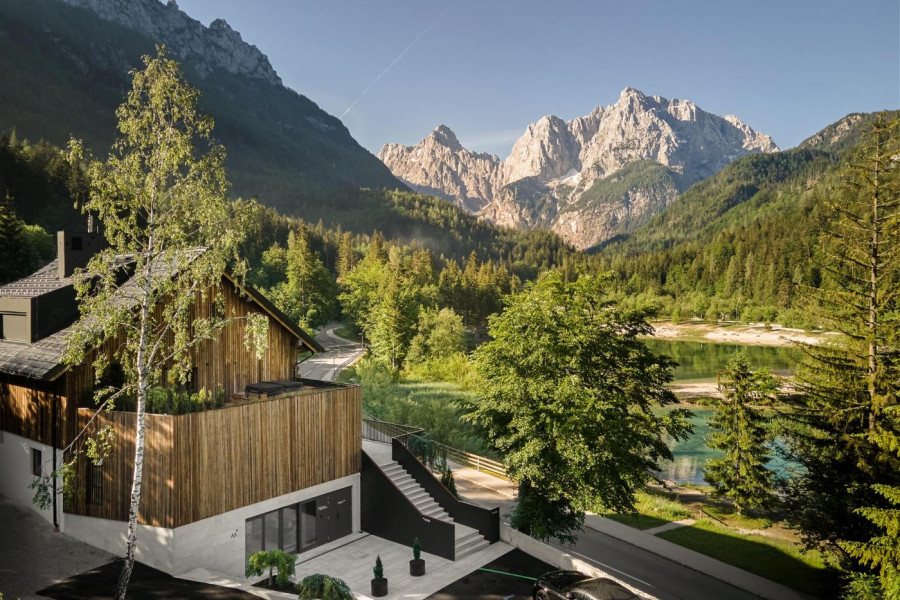
Milka, Kranjska Gora, Slovenia
David Žefran had to leave Slovenia before discovering just how much he could achieve by returning home. In Stockholm, he encountered the Scandinavian gastronomic revolution at close quarters, learning from its devotion to ingredients, fermentation and the techniques that preserve the character of the seasons.When he eventually returned, he found an extraordinary source of inspiration in the Julian Alps. At Milka, he has since established one of the most exciting restaurants of Europe’s younger generation, earning two Michelin stars and developing a culinary identity that continues to grow with impressive speed.
The setting is almost impossibly beautiful. Milka stands beside Lake Jasna, just outside Kranjska Gora, close to the meeting point of Slovenia, Austria and Italy. Alpine peaks rise above the water, their reflections changing throughout the day as the light moves across the valley. This meeting of three countries has left a fascinating imprint on the region’s food culture. Žefran explores that inheritance with curiosity and considerable technical skill, producing cooking full of lively acidity, carefully judged intensity and a deep understanding of the ingredients that flourish in the mountains.
There is something particularly appealing about the way he translates the character of this landscape into flavour. The Alps can be austere, even unforgiving, yet they also possess extraordinary richness. His best dishes seem to understand both sides of that relationship. Milka has just six bedrooms, furnished with timber and natural materials, and offering magnificent views of the lake. I’d certainly stay here, especially as breakfast is another highlight of the experience.
Prepared with the care normally reserved for a tasting menu, it draws on Alpine produce and preparations from the kitchen. And it’s difficult to imagine a more beautiful start to the day than sitting beside Lake Jasna as the first sunlight reaches the surrounding peaks.
Getting there: Approximately one hour by car from Ljubljana to Kranjska Gora.
What to budget: The tasting menu costs approximately €295, excluding drinks. Room rates vary according to season and category.
How long to stay: Two nights, giving you time to enjoy Lake Jasna, Kranjska Gora and the magnificent scenery of Triglav National Park.
Info: www.hotelmilka.si
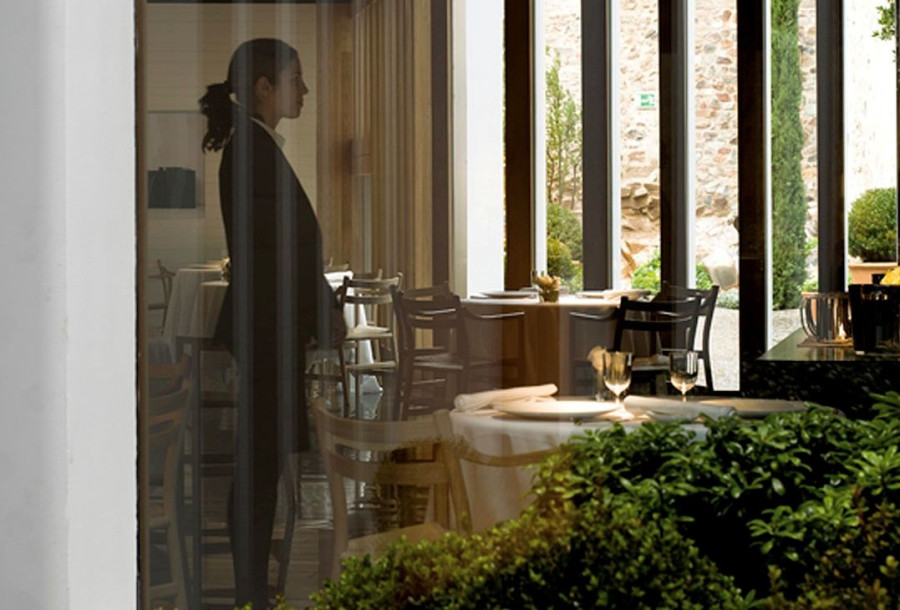
Atrio, Cáceres, Spain
If somebody asked me how far a chef could take a piece of Ibérico pork, I’d send them straight to Atrio. Toño Pérez has spent more than thirty years exploring the culinary identity of Extremadura, achieving something that deserves enormous respect: bringing the food of one of Spain’s most overlooked regions to the level of three Michelin stars. Ibérico pork, with its magnificent fat and extraordinary depth of flavour, is at the heart of his cooking. Pérez makes use of almost the entire animal, finding unexpected ways to combine it with seafood, shellfish, spices and sauces of exceptional complexity. Lobster with a concentrated Ibérico glaze and green curry, langoustine with pork cheek, even a flan made from pork cheek and served with caviar. It is gloriously hedonistic food, supported by formidable technique and a chef who understands that tradition can provide an inexhaustible source of inspiration.
Alongside him from the beginning has been José Polo, his partner both in life and at Atrio. Together, they have assembled one of the greatest wine collections in Europe. Their legendary cellar made international headlines in 2021, following the theft of 45 valuable bottles, including an 1806 Château d’Yquem. A guided visit is worth arranging, quite apart from dinner. The setting could hardly be more evocative. Atrio stands in the heart of medieval Cáceres, a city where centuries of history appear to have survived almost untouched. The hotel, designed by architects Tuñón and Mansilla, introduces a beautiful contemporary sensibility to its historic surroundings.
Just a short walk away is the splendidly restored Palacio Paredes Saavedra, with eleven rooms and suites filled with works of art. Breakfast at Atrio is another pleasure worth allowing time for, and I’d also reserve a meal at Torre de Sande, Pérez and Polo’s more informal restaurant, where the traditional flavours of Extremadura are served in a magnificent historic setting.There are few better ways to understand the gastronomic possibilities of this part of Spain than to spend a couple of days in the world these two men have created.
Getting there: Approximately three hours by car from Madrid.
What to budget: Tasting menu €295. Rooms at Atrio start at approximately €550, with dinner, accommodation and breakfast packages also available.
How long to stay: Two nights, allowing plenty of time to explore the beautiful old town of Cáceres.
Info: www.atriocaceres.com
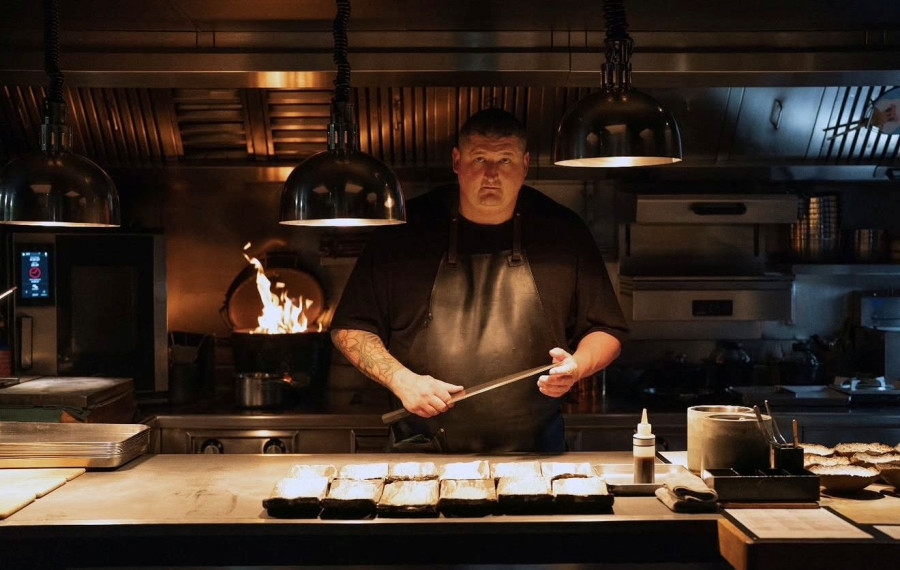
Ynyshir, Machynlleth, Wales
Gareth Ward has built his reputation on an almost obsessive pursuit of flavour, and at Ynyshir he has taken that obsession further than most chefs would ever contemplate. In a remote corner of western Wales, near the Dyfi estuary, he has created a two-Michelin-star restaurant that has acquired something approaching cult status among serious gastronomic travellers. Ward’s cooking owes a great deal to Japan, particularly its uncompromising respect for ingredients and its fascination with umami. Exceptional Japanese wagyu, seafood, prolonged ageing, fire and intensely reduced sauces are central to a cuisine that pursues depth and richness with extraordinary determination.
He wants to extract as much pleasure as possible from an ingredient, and there are moments when the results verge on the gloriously excessive. Ynyshir is certainly a restaurant for people who enjoy bold flavours and chefs with strong convictions. Dinner unfolds over more than twenty small courses and occupies much of the evening. The music grows louder, the chefs work in full view of the guests and the atmosphere gradually becomes more like a party than a conventional fine-dining dinner. Ward has created a restaurant on entirely his own terms, and there is something exhilarating about that degree of commitment.
The old country estate offers bedrooms and suites, making an overnight stay an obvious part of the visit. After a dinner of this length and intensity, being able to retire upstairs is particularly welcome. Breakfast arrives in your room the following morning, when the Welsh countryside provides a gentler setting for the day ahead. I’d also allow time to explore the Dyfi landscape and the beautiful coastline of western Wales.
Ynyshir is a singular place, and Gareth Ward’s appetite for flavour seems almost inexhaustible. You may find the whole thing gloriously extravagant, but you’ll struggle to think of another gastronomic journey in Europe quite like it.
Getting there: Approximately 2 hours 30 minutes by car from Birmingham, through the Welsh countryside.
What to budget: The tasting menu starts at approximately £450 per person, excluding drinks and additional charges. Accommodation is priced separately.
How long to stay: One night for the Ynyshir experience, or two if you’d like to explore the Welsh coast and surrounding countryside.
Info: www.ynyshir.co.uk
- 0 - 4
- Poor
- 4.5 - 5
- Average
- 5.5
- Acceptable
- 6 - 6.5
- Good
- 7 - 7.5
- Very Good
- 8 - 8.5
- Outstanding
- 9 - 10
- Excellent
| 0 - 4 | 4.5 - 5 | 5.5 | 6 - 6.5 | 7 - 7.5 | 8 - 8.5 | 9 - 10 |
| Poor | Average | Acceptable | Good | Very Good | Outstanding | Excellent |
| *"arrow-symbol": the up arrow to the right of the rating, if it appears, symbolizes a restaurant that is close to moving up to the next ranking rung. | ||||||



Login or register to join the conversation