



For almost two decades, anyone wanting to understand where contemporary Nordic gastronomy was heading booked a ticket to Denmark. Copenhagen shaped the conversation more decisively than any other city in Europe and built a culinary ecosystem that became a benchmark for the rest of the world.
Today, though, that picture has broadened, and it is worth looking a little further north. Stockholm is perhaps enjoying the most exciting period in its modern culinary history. Fine dining continues to set an exceptionally high standard, while a new generation of restaurants is bringing freshness, confidence and some genuinely compelling concepts to the city. Its cocktail bars now rank among the best in Europe, the hotel scene is investing ever more seriously in the guest experience, and the quality of the produce remains consistently impressive. Together, these elements have formed a complete and increasingly compelling picture, one that is becoming impossible to ignore.
Summer acts as a magnifying glass for this evolution, repositioning Stockholm on the European travel map and transforming a city long associated with winter into one of the most compelling reasons to visit Northern Europe during the warmer months.
At the same time, seasonality, a fundamental principle of Nordic cooking, reaches its peak. Vegetables, herbs, berries, fish and seafood move from market to plate with remarkably little in between, and that sense of freshness runs through the entire city, from a simple bakery to its most ambitious restaurants.
Perhaps that is Stockholm’s greatest strength today. From morning until late at night, the city delivers a complete experience through hotels that are destinations in their own right, markets that still play a defining role in the quality of local produce, bars worth travelling for and restaurants that confirm just how much gastronomic depth Stockholm has now acquired.
That is exactly the picture this journey sets out to capture. It begins with a hotel that perfectly expresses the city’s contemporary identity, then moves on to a series of addresses that, each in its own way, explain why Stockholm is now one of Europe’s most compelling choices for even a short summer escape.
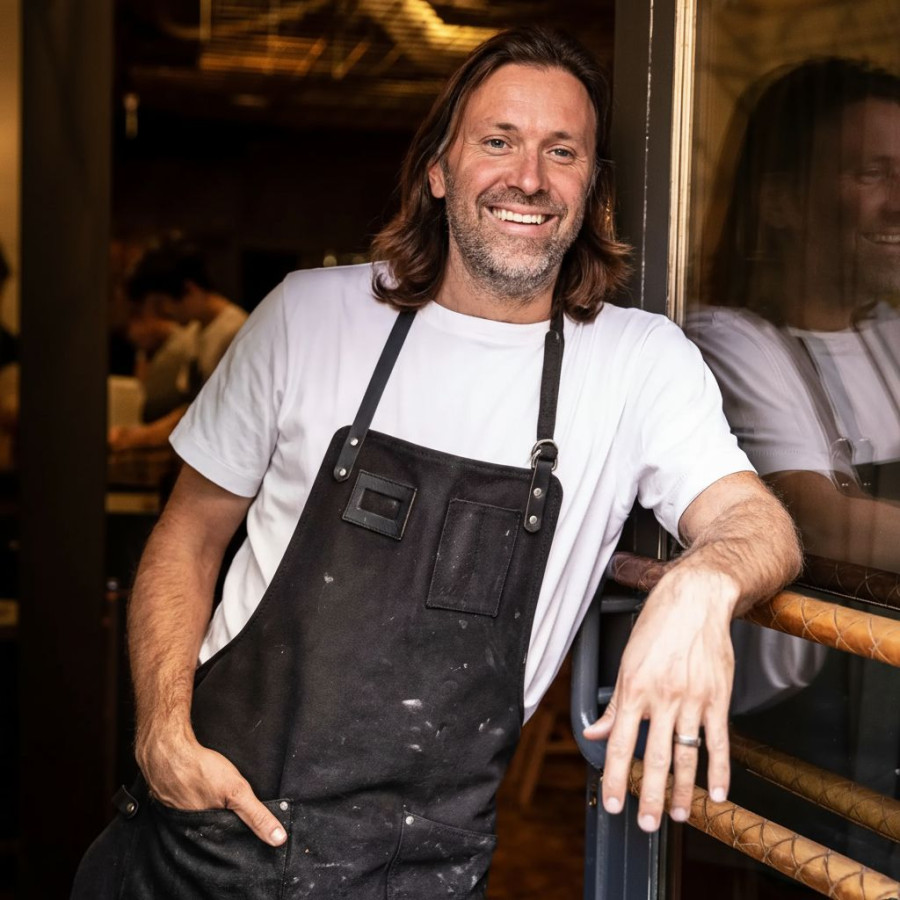
Ekstedt
Very few restaurants can claim to have created an entirely new school of thought. Ekstedt certainly belongs to that select group. When Niklas Ekstedt decided more than a decade ago to remove electricity and gas from his kitchen, many saw the idea as little more than a striking experiment. Today, it stands as one of the most influential restaurants in contemporary European gastronomy. Here, fire, smoke, wood and ash cease to be mere techniques and become an entire culinary language. What is most impressive, however, lies elsewhere. Despite its international recognition, Ekstedt has never become trapped by its own concept. It continues to evolve with remarkable consistency, pursuing ever greater precision and proving that fire can reveal countless nuances when placed in the right hands. Few kitchens in the world manage to express such power without ever sacrificing elegance.
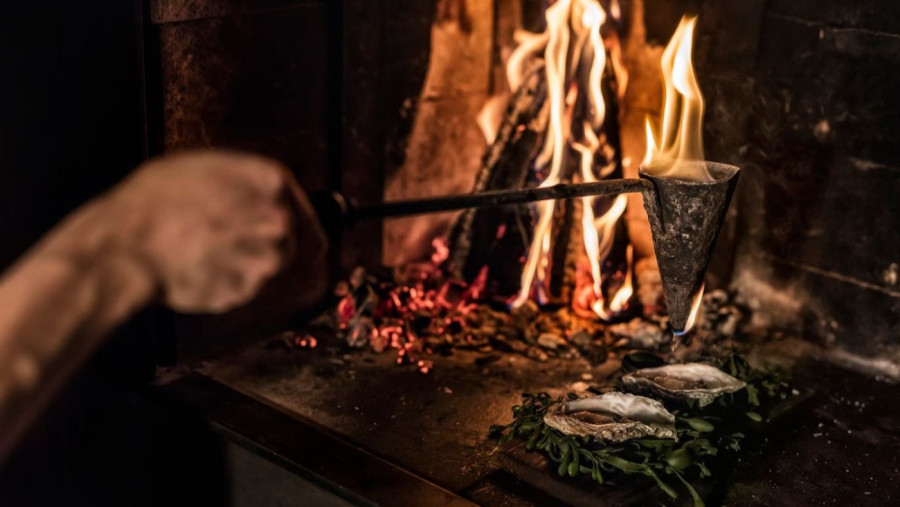
If I had to choose a single bite that encapsulates the entire philosophy of Ekstedt, it would be the iconic Flambadou Oyster. A red-hot flambadou is filled with beef fat and, seconds later, the flaming droplets fall over the raw oyster, giving it smoke, depth and an almost silky texture. There are many other moments worth dwelling on. But in truly great restaurants, the most important dish is always the idea itself. And at Ekstedt, that idea has been burning continuously for more than a decade.
Info: Humlegårdsgatan 17, 114 46 Stockholm | ekstedt.nu
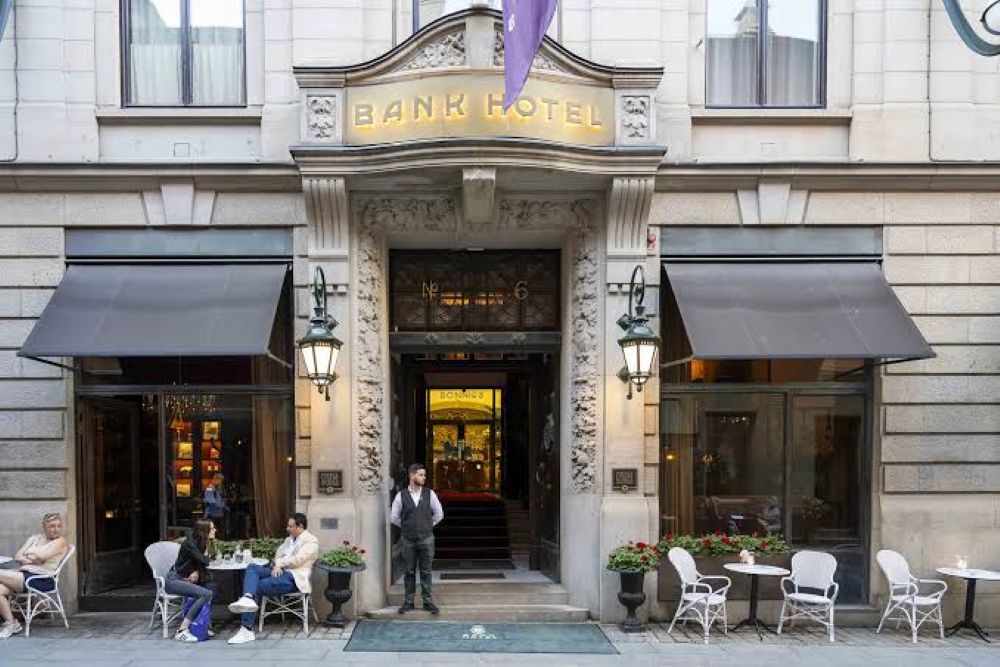
Bank Hotel
If a hotel can encapsulate the character of a city, Bank Hotel comes remarkably close. Housed in the imposing building of a former bank, just steps from Nybroviken and the heart of Östermalm, it combines understated luxury with a lively, almost effortless atmosphere. The building on Arsenalsgatan was completed in 1910 as the headquarters of Bankaktiebolaget Södra Sverige and was designed by architect Thor Thorén as a modern interpretation of a Renaissance palace. Over the decades it housed everything from banks to exhibition spaces and a library before being transformed into the boutique hotel it is today.
That transformation was carried out with considerable respect for the building’s past, and its history remains visible almost everywhere. The heavy bronze doors, the stone owls and squirrels at the entrance, the wood panelling and the proportions of the public spaces all serve as constant reminders of what the building once was.
The heart of the hotel is Bonnie’s, occupying the former main banking hall beneath its soaring glass ceiling. Its contemporary, internationally minded menu is built around seasonal ingredients, while breakfast here is deservedly regarded as one of the hotel’s great pleasures.
Info: Arsenalsgatan 6, 111 47 Stockholm | bankhotel.se
Le HibouIf Bank Hotel represents one of the most elegant expressions of contemporary hospitality in Stockholm, Le Hibou encapsulates much of what is happening in the Scandinavian cocktail scene today.
In just a few years, the hotel’s rooftop bar has become one of the city’s most sought-after addresses, earning a string of distinctions along the way. It was also named Bartenders’ Bar of the Year at the Swedish Gastronomy Awards, an accolade voted for by bartenders and industry professionals and regarded as one of the most meaningful honours in the Swedish bar world.
This year, the Le Hibou team presents Perspectives, a concept in which each section revolves around a single ingredient interpreted in two different ways. Mango, guava, rhubarb, apple and strawberry become starting points for exploring contrasting textures, aromas and balances, in a format that feels closer to the structure of a tasting menu than to a conventional cocktail list.
Info: Le Hibou, Arsenalsgatan 6, 111 47 Stockholm | bankhotel.se
Röda Huset
Few cocktail bars in Europe have acquired the stature of Röda Huset in such a short space of time. Since opening in 2021, Hampus Thunholm gave the Swedish capital a new language for cocktails, built almost entirely around Scandinavian ingredients, seasonality and remarkable precision of flavour. International recognition followed quickly, and Röda Huset established itself as one of Europe’s leading bars and a regular presence on The World’s 50 Best Bars list. At the beginning of 2026, Thunholm brought that chapter to a close, leaving Stockholm for a new professional venture in Bangkok.
The obvious question was how easily a bar could survive the departure of the person who had conceived it. I cannot say what it was like before, but today it operates at an unquestionably high level.
Fermentation, maturation, extraction and traditional preservation techniques run naturally through the drinks programme, producing cocktails with clarity of flavour and a strong sense of place. The menu follows the seasons, translating the shifting Swedish landscape into the glass. The setting plays an equally important role in the experience. High-ceilinged, bright and pared-back, with large windows overlooking Sergels Torg, it allows the energy of the city outside to become almost part of the backdrop, while inside there is a calmness that suits the bar’s philosophy perfectly.
There is also a restaurant on the ground floor serving light, flavourful dishes.
Info: Malmskillnadsgatan 9, 111 47 Stockholm | rodahuset.nu
Östermalms Saluhall
To understand why Stockholm has evolved into one of Europe’s most complete gastronomic destinations, it is worth spending some time at Östermalms Saluhall. The historic food hall opened in 1888, designed by architects Isak Gustaf Clason and Kasper Salin, and remains one of the city’s most distinctive architectural landmarks. Following an extensive restoration completed in 2020, the building regained much of its original splendour while preserving the character of a market that is still very much part of everyday life in Stockholm.
The first impression is enough to reveal the almost obsessive Swedish regard for quality. Counters piled with fish from the cold Scandinavian waters, exceptional shellfish, charcuterie, cheeses, breads, wild mushrooms, preserves, smoked products and seasonal vegetables come together in a market that functions less as a simple shopping destination and more as a reference point for Swedish gastronomy.
Among its stalls are some of the most historic names in the country’s food culture. Lisa Elmqvist, which has been based here since 1926, is an institution for fish and seafood, while Melanders has for decades continued its own tradition in fish and delicatessen produce.
Info: Östermalmstorg, 114 39 Stockholm | ostermalmshallen.se
Sperling & Co
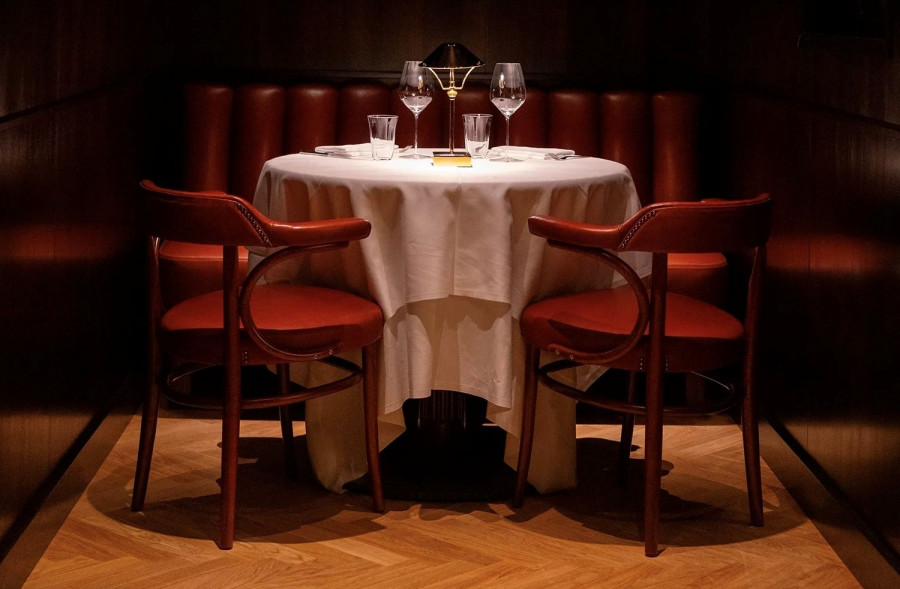
Sperling & Co could hardly have opened in Stockholm ten years ago. It reflects a city that has grown in confidence, looks towards Europe’s great capitals and claims its place among them without feeling the need to imitate anyone.
It is a contemporary, cosmopolitan steakhouse that would not feel out of place in Mayfair or New York, while still retaining a distinctly Scandinavian approach to produce and flavour.
Michael Andersson, Sweden’s Chef of the Year 2024, builds his cooking around fire without allowing himself to become confined by it. Meat is, of course, the main event, but the real quality of Sperling & Co reveals itself in the calibre of its ingredients. The turbot I tried on my most recent visit was on another level entirely.
What I liked most about Sperling & Co is the way it combines the technical precision of a very serious restaurant with the effortless pleasure of a grand urban dining room.
Info: Sturegatan 6, 114 35 Stockholm | sperlingco.se
- 0 - 4
- Poor
- 4.5 - 5
- Average
- 5.5
- Acceptable
- 6 - 6.5
- Good
- 7 - 7.5
- Very Good
- 8 - 8.5
- Outstanding
- 9 - 10
- Excellent
| 0 - 4 | 4.5 - 5 | 5.5 | 6 - 6.5 | 7 - 7.5 | 8 - 8.5 | 9 - 10 |
| Poor | Average | Acceptable | Good | Very Good | Outstanding | Excellent |
| *"arrow-symbol": the up arrow to the right of the rating, if it appears, symbolizes a restaurant that is close to moving up to the next ranking rung. | ||||||



Login or register to join the conversation