



With extensive experience in restaurants around the world, and having worked under some formidable chefs, Guillaume Monjuré met his future partner, Chrystel Barnier, while they were both working at La Mamounia in Marrakech. Years later, the couple returned to France and opened Palégrié, first in Lyon, before moving back towards the Vercors. After an intervening chapter, they eventually settled in a barn in Méaudre belonging to Henri, a relative of Chrystel’s from a previous generation. And so Palégrié Chez l’Henri was born.
Of the two co-owners, Guillaume brings his cooking and distinctive culinary style to the kitchen, while Chrystel contributes her expertise in wine and oversees the dining room. And if that does not already sound romantic enough, a visit to this mountain restaurant (as I discovered on my visit, this is how restaurants in comparable geographical settings are described) reveals just how singular the whole venture really is. Its charm lies precisely in its simplicity. Everything feels personal, unforced and deeply rooted in its surroundings.
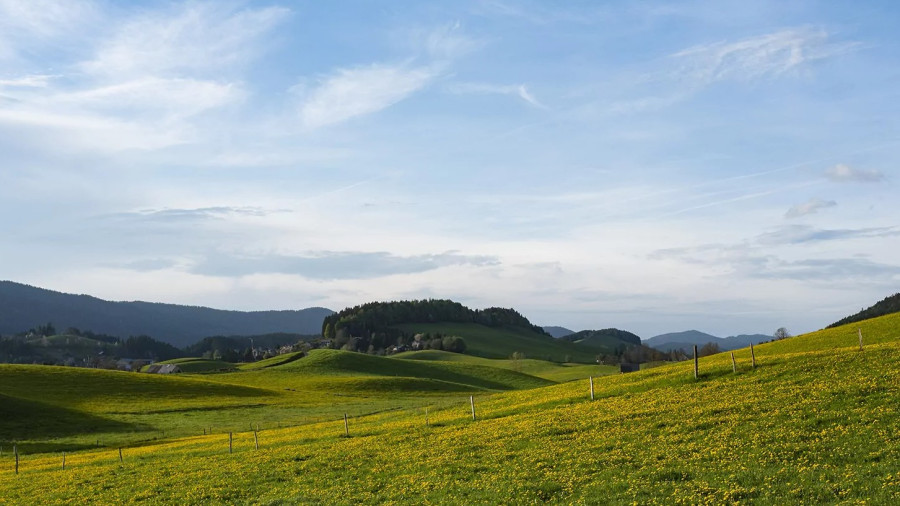
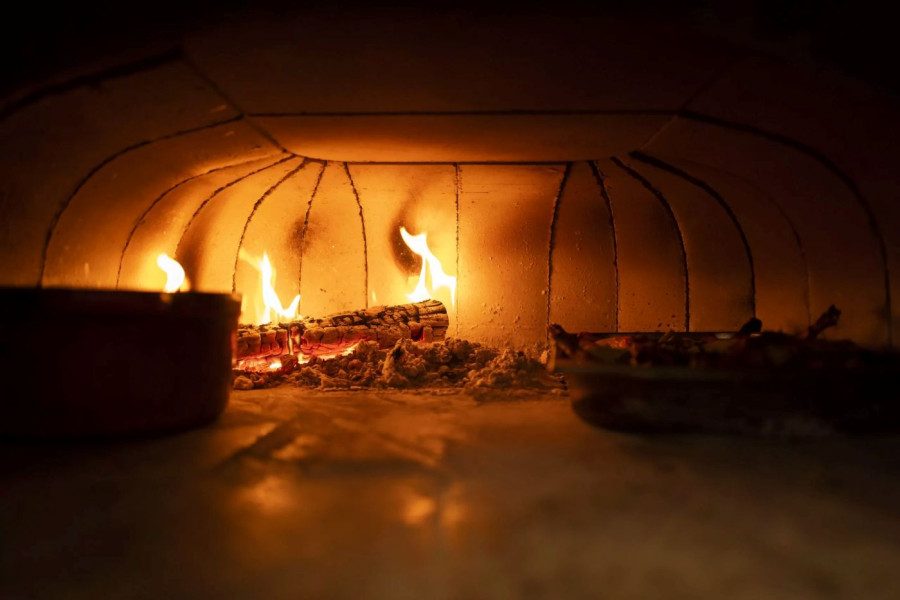
At the edge of the village, overlooking lush green fields, surrounded by flowers and framed by gravel, this tiny restaurant has delighted both diners and critics since opening in its present form. It accommodates around 15 guests, most of them seated facing the open kitchen just a few steps away. At its centre stands the chef, who looks almost stereotypically French, like some culinary incarnation of Jean-Michel Jarre, surrounded by his “instruments”: the wood-fired oven to one side, the open fire behind him, an old-fashioned cast-iron range with a porcelain-enamel finish and, in front, a large worktop housing the refrigerators. Those refrigerators are, in fact, the only pieces of equipment in the kitchen powered by electricity. Guillaume cooks exclusively with wood and charcoal, materials he handles with remarkable mastery.
Taken as a whole, the menu draws its inspiration from exceptional local produce, transformed by fire into deeply satisfying dishes. Partly because the kitchen works largely with what is grown, raised or sourced nearby, and partly because of Guillaume’s creativity, many of the same ingredients reappear throughout the meal. And that is precisely where much of the restaurant’s appeal lies. Working with a relatively narrow range of ingredients and deceptively simple techniques, the kitchen produces dishes that are so distinct from one another that they continually surprise you. More importantly, they reveal the one quality you hope to find in a chef at a restaurant you had to book weeks in advance. Talent.
The sourdough bread arrives warm, served not with butter but with an inventive, velvety slow-cooked egg yolk coated in nuts and seeds. The most delicious olives I have ever eaten are briefly passed through the blazing oven with olive oil and oregano, giving their skins a wonderful crispness. And then comes the unexpected standout, and quite possibly my best appetiser of 2026: roasted tomato with a delicate mustard sorbet, perfectly balanced and utterly compelling. It reveals exactly what you hope to find in the chef of a restaurant you have driven two hours to reach, climbing into the mountains between souped-up BMWs and breathless cyclists. Taste.
And what can I say about the impeccably seasoned, distinctively flavoured venison tartare with nasturtium leaves; the crisp green beans, smoky from the coals over which they were cooked, served in a rich parsley sauce and finished with caviar; the beautifully tender trout, prepared using the ikejime method and cooked with cabbage, berries and cardamom; or the exceptionally juicy charcoal-grilled pigeon breast with crunchy buckwheat, sweet Japanese aubergine and a deeply savoury miso that filled the palate.The cheeses are served with charming simplicity, almost as though you had dropped in on someone at home and your host had brought out a few things for you to nibble on.
The desserts, meanwhile, came in descending order of pleasure: apricot sorbet in a yellow pepper sauce; refreshing yoghurt with honey crumble and sunflower seeds; berries with a cream mousse; a disappointingly forgettable clafoutis; and cherries preserved in alcohol, so potent that I briefly wondered whether I might fail a breathalyser on the way home.
The ever-smiling Guillaume has created a restaurant in which he gives everything to a concept that works remarkably well, while Chrystel’s presence brings its own warmth and character to the whole venture. It may not have been rewarded with more than a single Michelin star, but if you ever find yourself in the area, it is more than worth the climb.
Info: https://palegrie.fr/en/- 0 - 4
- Poor
- 4.5 - 5
- Average
- 5.5
- Acceptable
- 6 - 6.5
- Good
- 7 - 7.5
- Very Good
- 8 - 8.5
- Outstanding
- 9 - 10
- Excellent
| 0 - 4 | 4.5 - 5 | 5.5 | 6 - 6.5 | 7 - 7.5 | 8 - 8.5 | 9 - 10 |
| Poor | Average | Acceptable | Good | Very Good | Outstanding | Excellent |
| *"arrow-symbol": the up arrow to the right of the rating, if it appears, symbolizes a restaurant that is close to moving up to the next ranking rung. | ||||||


Login or register to join the conversation