



The charming vineyards of Château Minuty are located in the heart of Provence, on the beautiful peninsula of Saint-Tropez - Well, yes! Saint-Tropez is not just the most cosmopolitan tourist resort of the French Riviera but the once beloved village of painters Matisse and Cézanne. It also produces wines and is now famous for its impressively elegant rosés.
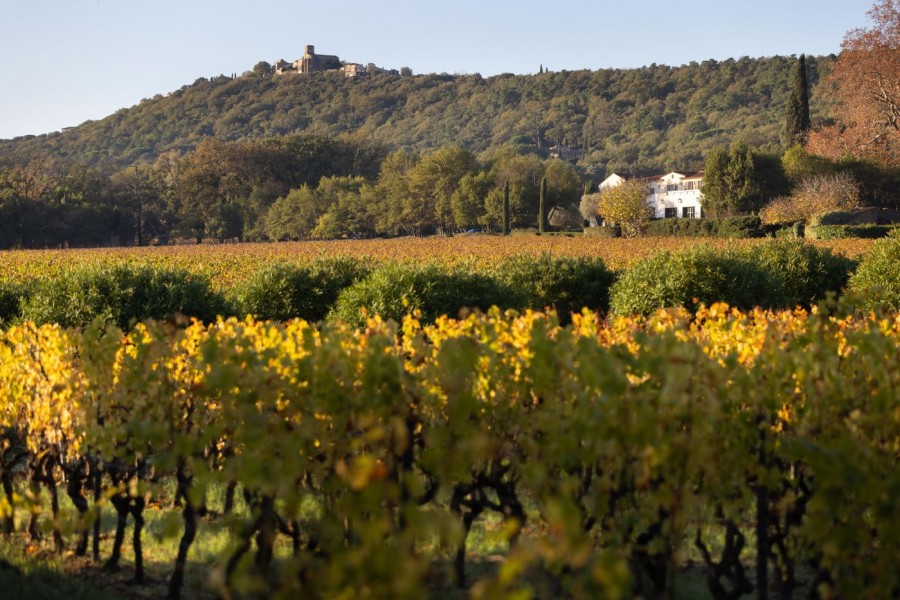
These vineyards stretch along the slopes of Gassin and Ramatuelle, from which they "overlook" the Gulf of Saint-Tropez and "enjoy" the Mediterranean temperate, which brings out the southern varieties to perfection. There, for almost a century now (since 1936), four generations of the Matton-Farnet family have been producing Provence wines, cultivating some famous grape varieties of the French South but also some less well-known ones, bringing them to the fore, thanks to their rosé wines, but not only. It should be noted that their wines have been recognised as Crus Classés des Côtes de Provence since 1955.
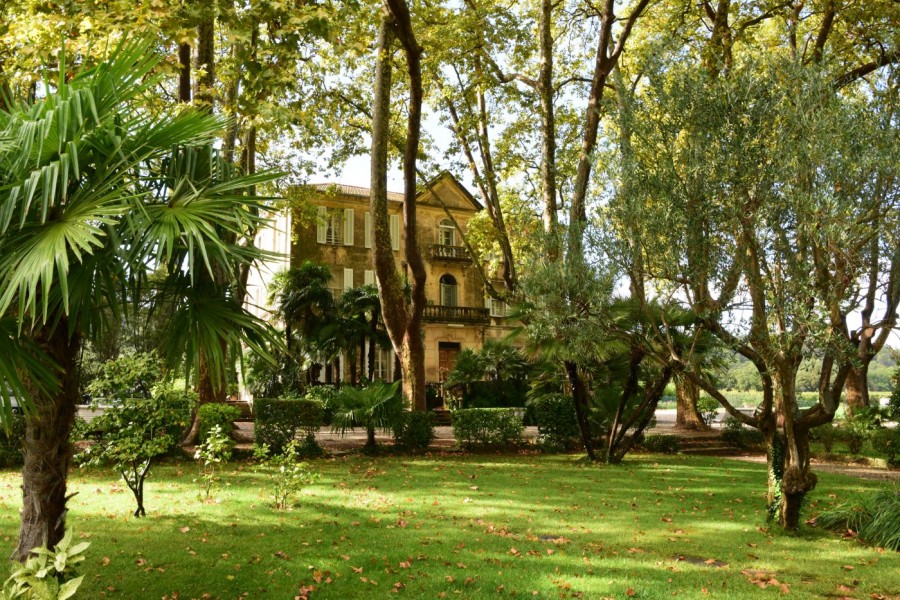
Château Minuty is, in fact, one of the last properties of the Côtes de Provence appellation, where the harvest is still done manually to ensure the impeccable quality of the grapes. Its creators, the brothers Jean-Etienne and François Matton, though lovers of modernity, remain fully connected to their land, ensuring that the heritage of their ancestors` knowledge is combined with their experience and the know-how of today.
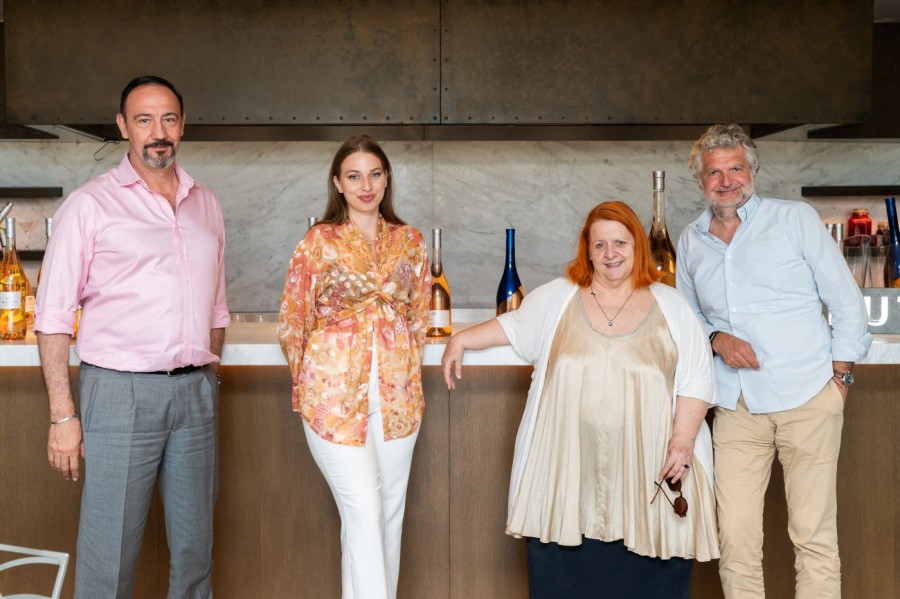
I met Mr François Matton in the Arion living room of the Four Seasons Hotel. He had come to Greece for a tasting of his wines on the occasion of the inclusion of Minuty in the Amvyx Œnothèque portfolio. Mr. François Matton is co-founder of Château Minuty. Also present at our meeting was Mr Stathis Saltas, the head of the Œnothèque division of Amvyx from 2022, a man with considerable experience in the wine trade, who, in response to my questions, answered my questions about the expansion of the company`s already remarkable wine portfolio.
It is only possible to discuss wine by tasting it. So, before the conversation had even begun, a glass of M de Minuty, a Côtes de Provence or, more specifically, a rosé wine from the Saint Tropez peninsula arrived. The charming rosé in my glass - I would later find out its varietal composition (50% grenache, 15% tibouren, 35% cinsault) and its alcoholic strength (12.5% vol) - surprised me pleasantly. First, its pale pinkish-salmon colour and its fruity `nose` evokes `cooked` red fruits (in a tart or sorbet), while a slight acidity gives it elegance in the mouth. It is fresh, light and balanced, with a light structure, but it is an authentic wine, round and pleasant. It is a wine that, at the same time, speaks - to those who want to listen to it - about the effort of the vine grower, about the work of the winemaker.
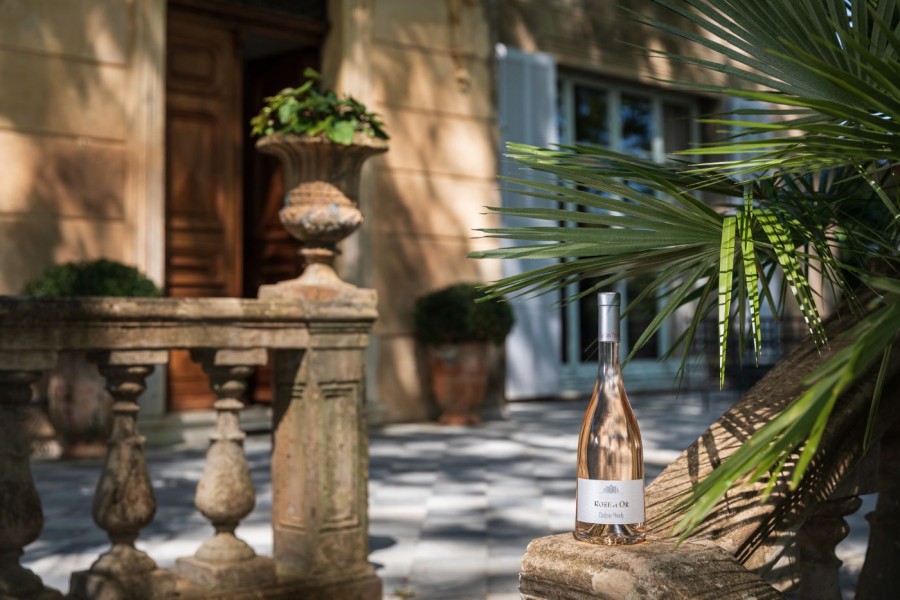
As soon as I tasted it, I felt that this "pure" and faint rosé wine did not remind me in any way of the rosés of yesterday. Those who still doubt the magic of new-age rosés should forget everything you once believed about "easy wines."
In this world where everything is changing at an astonishing speed, even the way the consumer audience views rosés has changed. The old cliché of the wine passepartout - an expression used by the French themselves when they couldn`t figure out what wine to pair their food with - is now forgotten. Today, the public chooses rosés for what they are: fruity, light, refreshing and above all, magical for summer. Moreover, this is demonstrated internationally by the impressive increase in sales (by 500%) of rosé wines, particularly in Provence.
Rosés de Provence are not just a fashion; they are here to stay. They are the Big Bang of Provence.
In an ever-changing world, flavours change direction. What path did you follow to adapt the taste profile of your wines to today`s tasting reality? Did you substitute some of the old wine grape varieties or modern equipment?
The difference between us and other houses in the region, for example, the d`Esclans house, which produces wines with a tannic structure, is that we seek to make rosés with freshness, easy to drink. Indeed, this is the strength of the new generation of rosés in Provence: they are easy to drink, making them popular. With climate change and high temperatures, this fresh character is the vehicle that has led us to success. Of course, the winery equipment plays an important role, but don`t forget that wine all starts in the vineyard.
Can you please explain to me how this reversal of the old image of rosé wines came about? What convinced consumers to love rosé wines?
The reversal came about because of the qualitative upgrade of our wines, which resonated with modern consumers` desires, who enjoy wines differently. With all these open spaces, the plazas and pools, and all these restaurants serving outside, we needed to create wines that would be consumed outdoors at different temperatures—rosé wines with freshness. And freshness means acidity—acidity, but also complexity.
And if acidity gives freshness, where does the complexity of your wines come from?
The choice of the varieties we grow in Minuty. Our main variety now is grenache.
Which didn`t exist in Provence?
Yes, there was, but it wasn`t the dominant variety. When used, it was said to give "petits rosés" (which they called, a little pejoratively, little rosés, i.e. not so great). We went for quality. In the 1960s, Carignan was the variety that gave great productions. It is known from the Rhone Valley, but mainly from the Languedoc. This variety, however, does not provide elegant wines. Because of its juice, it gives colour and structure. But this is something that is not desirable for rosés. A producer seeks it for his reds, mainly from the Rhone, but not for his rosés. Together with my brother Jean-Etienne - we have been working together since 1990 - we changed the varietal composition of our wines. At Minuty, we were the first to put in grenache and such a high percentage. We created wines that had a grenache percentage of 70-80%. In other words, wines with a completely new style. With the character of a white-fleshed peach, very fruity and appealing.
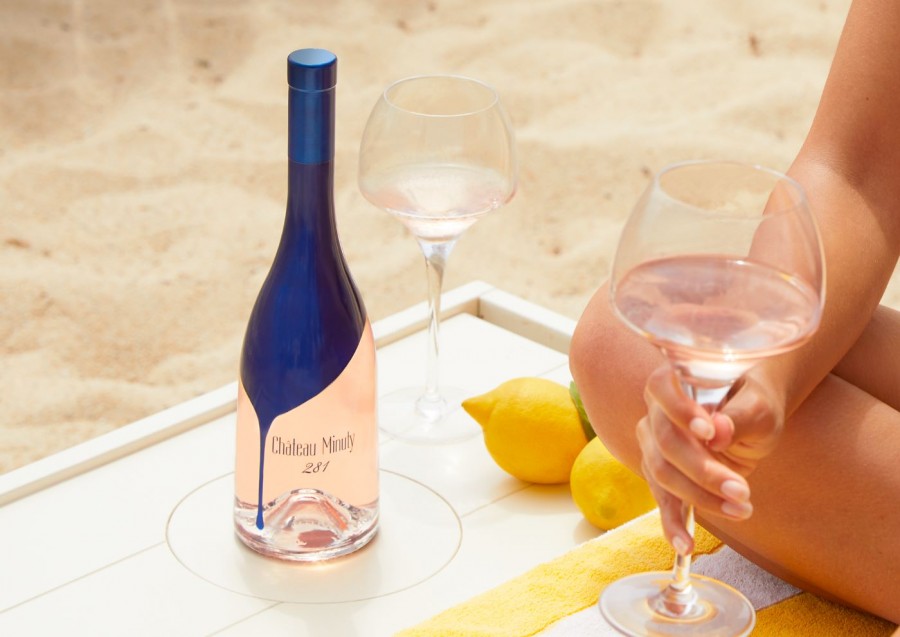
And the same thing you aim for in the nose and the look...
And the look, of course. We want apparent wines that have no extraction and are elegant.
The colour of rosés, in general, has changed. Today, we hardly find onion or orange peel shades like we used to...
Yes, our wines range in shades of salmon and light salmon, and we have achieved this by clonal selection (ed. refers to the selection of plants with different phenotypic/qualitative characteristics). We seek to have the original primary colour of the grape juice. We want you to feel that we have taken the grape with our hands and squeezed it to keep the juice in its original colour without any other interference. We try very hard to stay there. We strive for that colour, "lightness."
What triggered all these changes?
A more modern spirit of winemaking, although we insist on producing wines that express their terroir, we remember that the Mediterranean borders the land of Provence. Our rosés must, therefore, express their Mediterranean temperament. In practice, this means that their creation is based on concepts such as lightness, conviviality, conviviality, relaxation and the joy of life, which is also the way of life of the Mediterranean people, their constant desire to celebrate, with no excuse and at the slightest opportunity. A desire that also causes those who visit the Mediterranean to want to celebrate and experience Mediterranean untroubledness. Our wines were created to please everyone. They are fresh, fruity, aromatic, and easygoing, which is an advantage for us.
And now, help me talk about your wines in your own words. How do you recommend them? What is the ideal moment for you to enjoy a rosé?
It`s a given that our rosés are wines for all times. They are wines of company, companionship, family, or friendly gatherings. They are pleasant, and they are associated with holidays. What do you do on holiday? Do you meet your family or friends, and what do you drink? What are your favourite wines? The ones that enhance your good mood and the joy of life.
Does this explain the increased sales of magnums and even larger bottles (double magnum, jeroboam, mathusalem)?
Yes, people want wine they can share with friends or a group of friends, and large-size bottles are ideal for companionship and large groups.
How would you recommend them to consumers? What would you serve them with?
All of our wines pair well with Mediterranean cuisine. I think it`s the same type of food you have in Greece. In the south of France, we have almost the same cuisine, and our cuisine is Mediterranean. We may not have feta, but we have mozzarella. Our cuisines love garlic and herbs. The vegetables, the red tomatoes, are all cooked with basil and put in your kitchen with mint or oregano. All these ingredients make the food a bit more intense and spicy. They call for a rosé with acidity and fruit alongside them.
But all raw seafood, ceviche, fish, and seafood tartare with citrus acidities go well with a rosé. It works very well with fish. Our rosés also go well with spicy Asian cuisine—Indian and Afro-Eastern in general.
Are you looking to take a share of the Alsatian market?
The Alsatians? They`re in no danger from us. They`ve become so static that they`re losing their market share alone. They`ve had the same bottle, the same old labels, for fifty years. No one drinks Alsace`s wines any more than they once did, even though they are excellent. And I`m sorry to say it because I love them. I have them in my cellar, and I often go to Alsace. But I find that no one recommends them today as they used to. And that`s sad; while these wines are both delicious and exceptionally well made, people don`t prefer them anymore.
But do you think Riesling has a significant place in gastronomy today?
Yes, it is a significant place. However, the German, Austrian and Italian ones have made quality leaps. There are, of course, producers in France who are doing very well, but they are few. It`s a shame because Alsace is a designation that should be at the top of the public`s choices. I hold it in high esteem. But everyone needs to modernise, to "catch" what the public wants. Today, our rosés go well with Asian cuisine, with anything spicy, Indian or Thai and have even earned a place in Asian restaurants.
Let`s return to Mediterranean cuisine for a moment. Do you recommend a rosé with the fritters?
Yes, but more with the fritters of small fish or squid. Their subtle minerality allows them to stand next to vegetable dishes, light sauces with tomato, and beautiful aromas of herbs like basil. Even pasta or pizza is a typical dish of the Mediterranean people, who are used to putting dishes with tomatoes as a common denominator in the middle.
This is when I feel I must "interrogate" Mr. Salta about his plans for Œnothèque`s wine portfolio.
Given that OMVYX already has dozens of great spirits and champagne brands in its broader portfolio, what wines can we expect to see in Greece?
In the wine business, there is a lot of room for expansion. The goal of Amvyx, which is already a market leader with very high-quality brands, is to become the leading importer in the next 3-4 years. This means that one of the criteria for how we will build our portfolio is to select brands of international prestige, high-quality standards, and high reliability due to a large spread. So, in addition to those wines included in the range of LVMH - the internationally prestigious Wine & Spirits House, to which several famous wineries belong, under the "LVMH Vins d`Exception" brand, we may also enter into individual agreements with other producers who meet the same high criteria.
*Note: The concept of `conviviality`
There has always been a prevailing view that many meaningful words in Greek require whole sentences to be translated into a foreign language. So here, Mr François Matton, trying to list the parameters of the success of his region`s rosé wines, referred to the magic word `convivialité`, which in French describes hospitality, warmth, friendship, companionship, acceptance of others, companionship, and well-being.
Convivialité is a word also used by Brillat-Savarin, in his Physiologie du goût (Physiology of Taste ) in 1825, referring to gourmandise (in the sense of gourmandise). He says that convivialité is the ultimate link in society: "The love of taste is one of the chief links of society. It gradually extends this spirit of friendliness (convivialité), which unites the various classes daily, `melts` them into a single whole, enlivens discussion and softens the corners of conventional inequality."

Login or register to join the conversation