


In a stunning courtyard of a grand villa perched on a Tuscan hill, a CD compilation sat on a small table — handpicked by a guru of Deutsche Grammophon. On its handwritten cover, it read: “Luxury means watching an open-top Jaguar winding its way up the hill, bringing with it all the treasures of Tuscany, while you sip Tenuta Ornellaia Bianco or Ornellaia Bolgheri Superiore from a Baccarat glass — mesmerised by the dance of light through crystal and the beautiful soundscapes that surround you.” Divine! And when I asked the hostess why Baccarat and not something Murano, she simply said: “Hold it, feel it, lift it to the light… you’ll understand.”
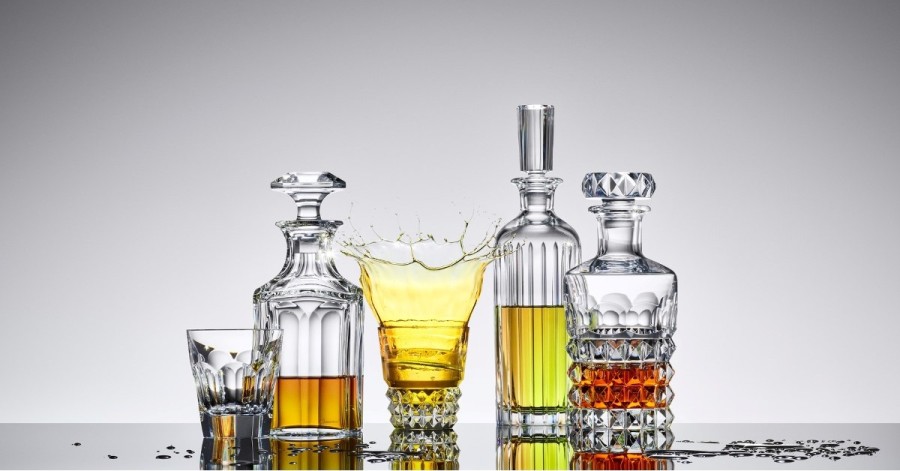
It’s only natural to wonder whether a glass like this can really affect the taste. The answer is yes, it does. The finer rim of a crystal glass allows wine, a cocktail, or whisky to flow more smoothly onto the palate, minimising any disturbance from the edge of the glass. This creates a more direct, focused tasting experience. So, beyond the clarity and brilliance, the melodic chime of a toast, and that unmistakable sense of luxury — details some might see as unnecessary — there is real substance too.
The Baccarat crystal factory was founded in 1764 by authorisation of Louis XV, following a request from the Bishop of Metz to develop the art of glassmaking in the Lorraine region. At first, it produced everyday glassware, but with the invention of crystal by Aimé-Gabriel d’Artigues in 1816, this legendary manufactory flourished, gaining an unrivalled international reputation for excellence — a reputation it proudly maintains to this day.
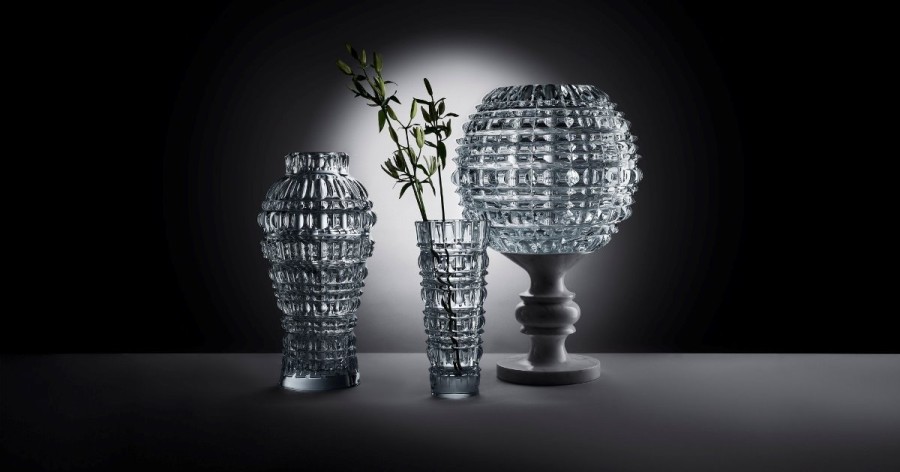
The process of crafting Baccarat crystal requires materials of exceptional quality. The crystal is made from 50% pure sand, 30% lead, and 20% potassium. These elements ensure the clarity and brilliance of the final product. The addition of nickel oxide refines the crystal even further, giving it its remarkable transparency.
The first step in creating a piece of Baccarat crystal is the thermal treatment of the material. The craftsman removes the molten block of crystal from the furnace using a blowpipe and shapes it into its initial form. Another artisan, the glassblower, assists by continuously blowing air into the block to help form it into the desired shape. This collaboration results in pieces with intricate, delicate forms.
After the hot-working stage, the process moves on to cold-working. The crystal pieces are cut and polished to enhance their brilliance and reveal the fine details of the design. Baccarat’s innovative cutting techniques amplify the play of light within the crystal, giving each piece its distinctive sparkle. Finally, some Baccarat pieces are finished with hand-applied gilding, adding an extra touch of elegance and refinement.
This unique craftsmanship and the exceptional quality of materials used are what make Baccarat an iconic name in the world of luxury.
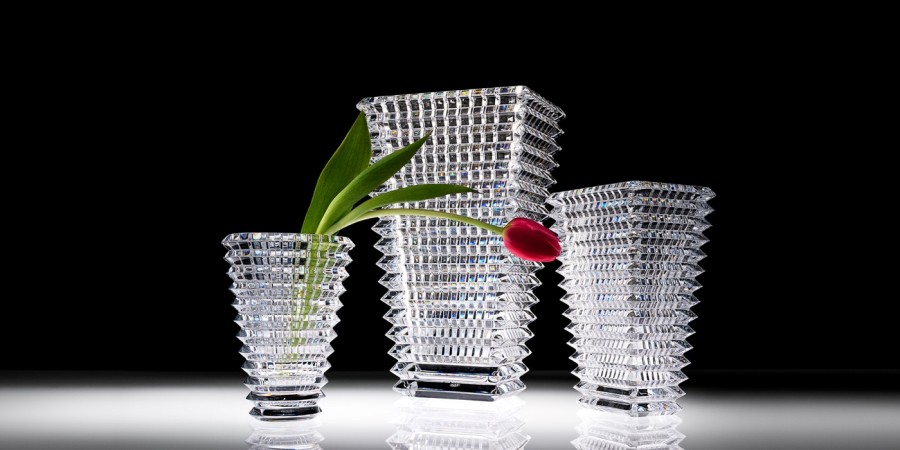
Over its 261-year history, Baccarat has built a legacy through its iconic creations, which continue to illuminate unforgettable moments. Among its treasures is the Harcourt glass. Created in 1841 during the reign of Louis-Philippe, this glass quickly became a symbol of refinement and elegance. Its hexagonal base and faceted cuts capture the light in a unique way, casting shadows and reflections that make it far more than a simple vessel. The Harcourt glass has graced the tables of kings and emperors, and has featured at some of the world’s most celebrated receptions.
Yet Baccarat’s story extends far beyond the Harcourt glass. The house has also made its mark with other legendary pieces, such as the Zenith chandelier, which adorns some of the most luxurious interiors around the globe. With its clear or coloured crystal pendants, the Zenith chandelier embodies the perfect marriage of tradition and modernity — a signature of the Baccarat name.
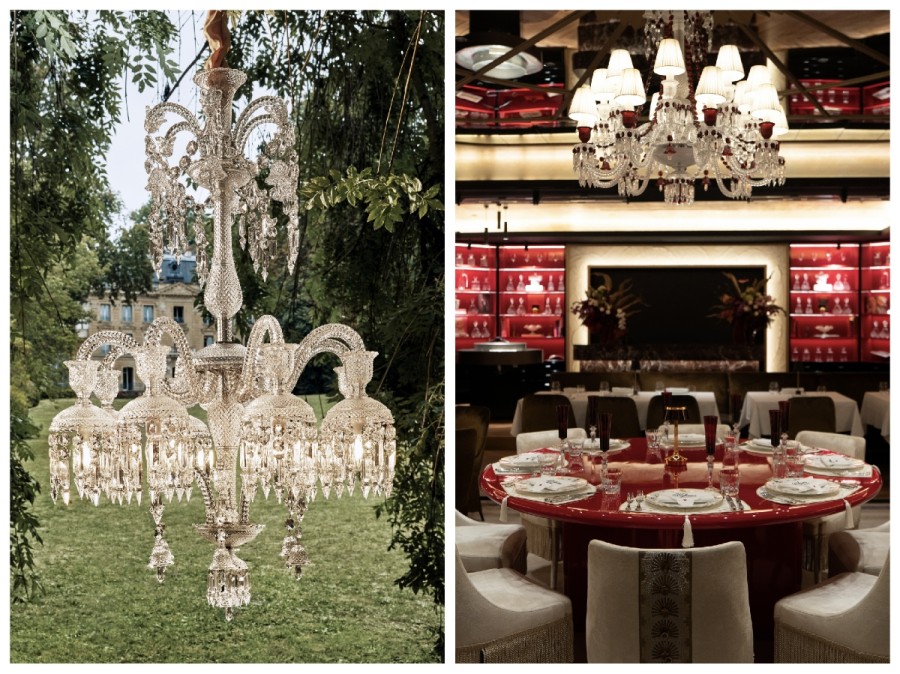
Likewise, the Mille Nuits collection, inspired by oriental tales, invites you on a poetic journey through its refined shapes and elegant motifs.
Throughout its history, Baccarat has collaborated with renowned designers, artists and major brands. Each has brought a unique artistic vision, continually pushing the boundaries of technique and often defying the very laws of the material. These collaborations have allowed the house to adapt to changing trends and maintain its leading position in the world of crystal. One striking example is the partnership between Baccarat and Philippe Starck, which began in 2003. Thanks to such collaborations, iconic pieces have emerged that stand as proof of their success.
Who would have expected a collaboration between Baccarat and Pokémon? And who would have wagered on its resounding success? Yet here we are.
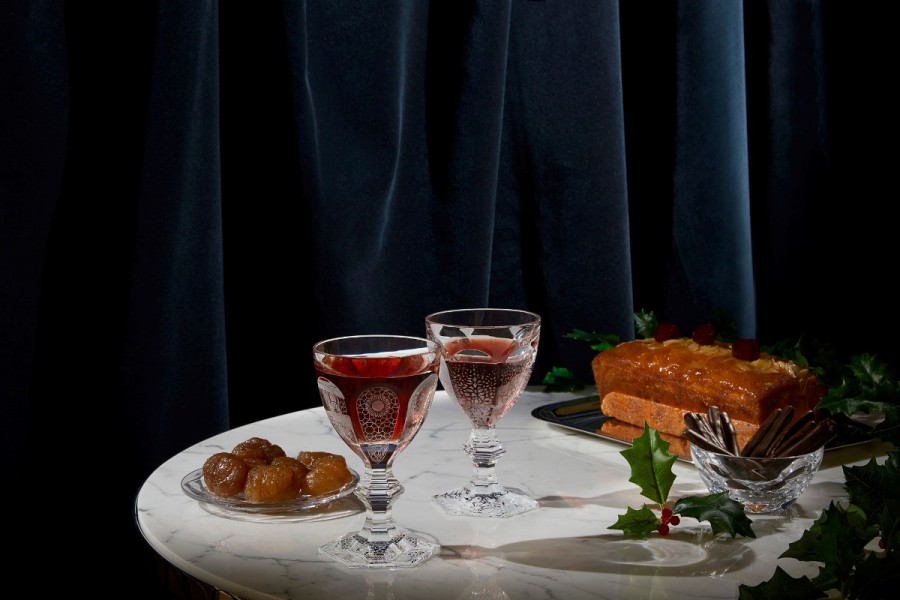
From Josephine Baker to the Princess of Monaco, from Marilyn Monroe to Karl Lagerfeld, and from Lenny Kravitz to Alain Ducasse, Baccarat has transcended the worlds of fashion and fine dining, enchanting lovers of life across generations. Glasses of every kind, dazzling chandeliers, vases, decorative objects and perfume bottles all pass through a meticulous choreography, where Baccarat’s masters of fire transform raw materials into extraordinary creations.
Baccarat Rouge, the brand’s signature, stands as proof of the house’s unrivalled expertise and prestige. For the people of Baccarat, detail creates perfection — and perfection is no mere detail.



Login or register to join the conversation